

Roofer in Grimsby
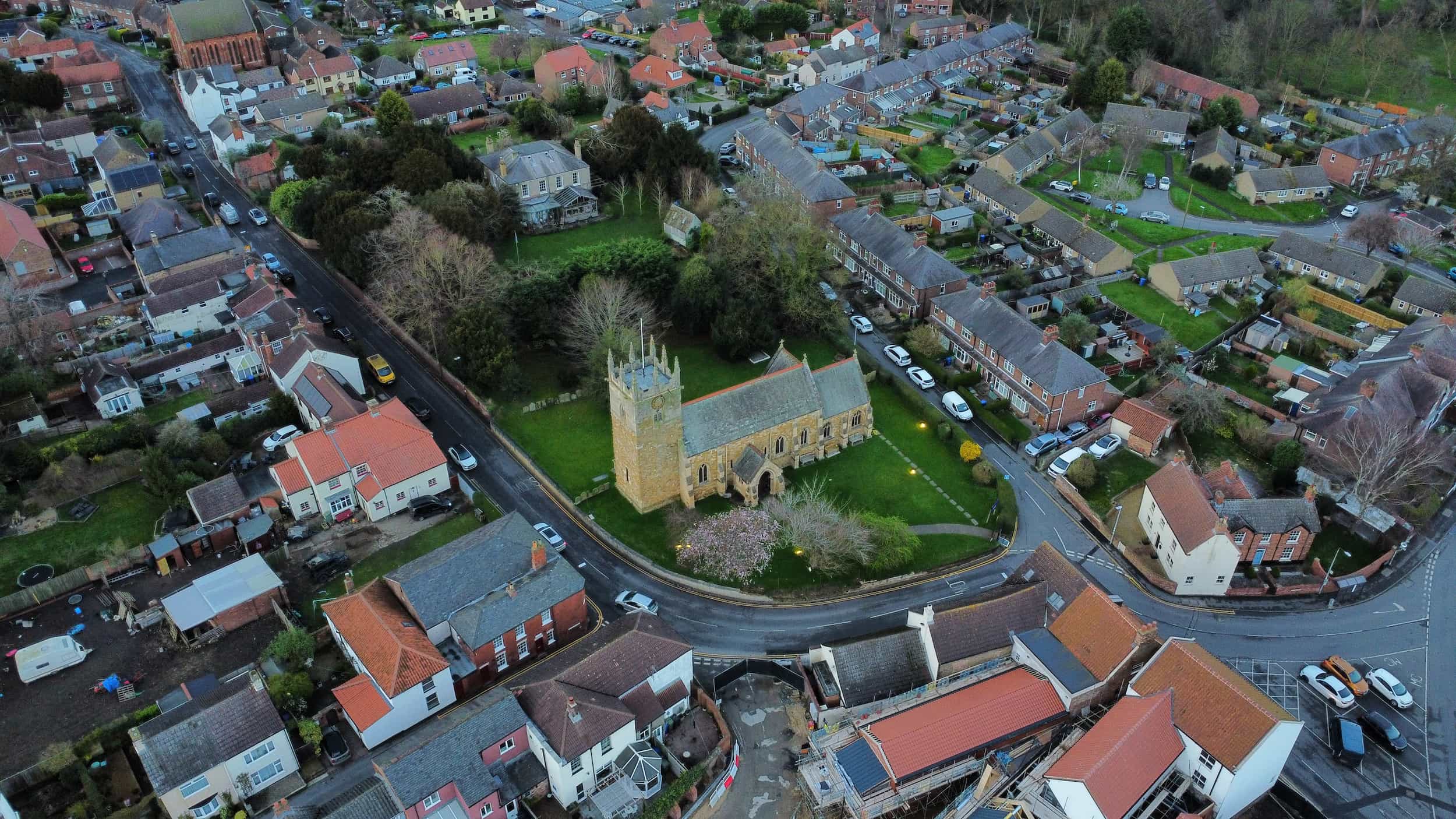
Especially Roofing provides professional roofing services throughout Grimsby, including emergency roof repairs, new roofs, flat roofs, and replacement guttering. Our experienced team works with different roofing systems to provide practical solutions suited to each property.
Especially Roofing
Flat Roofing vs Pitched Roofing: Which is Right for Your Property?
The type of roof installed on a property affects its appearance, drainage, maintenance requirements, available space, and the roofing materials that can be used. Flat and pitched roofs each have distinct characteristics, and the most appropriate option often depends on the building itself rather than one roofing style being inherently better than the other.
From assessing existing flat roofs and carrying out emergency roof repairs to replacement guttering and the installation of new roofs, the Especially Roofing team can advise on an appropriate solution based on the property, existing structure, and work required.
What is the Difference Between Flat & Pitched Roofing?
The most obvious difference is the angle of the roof.
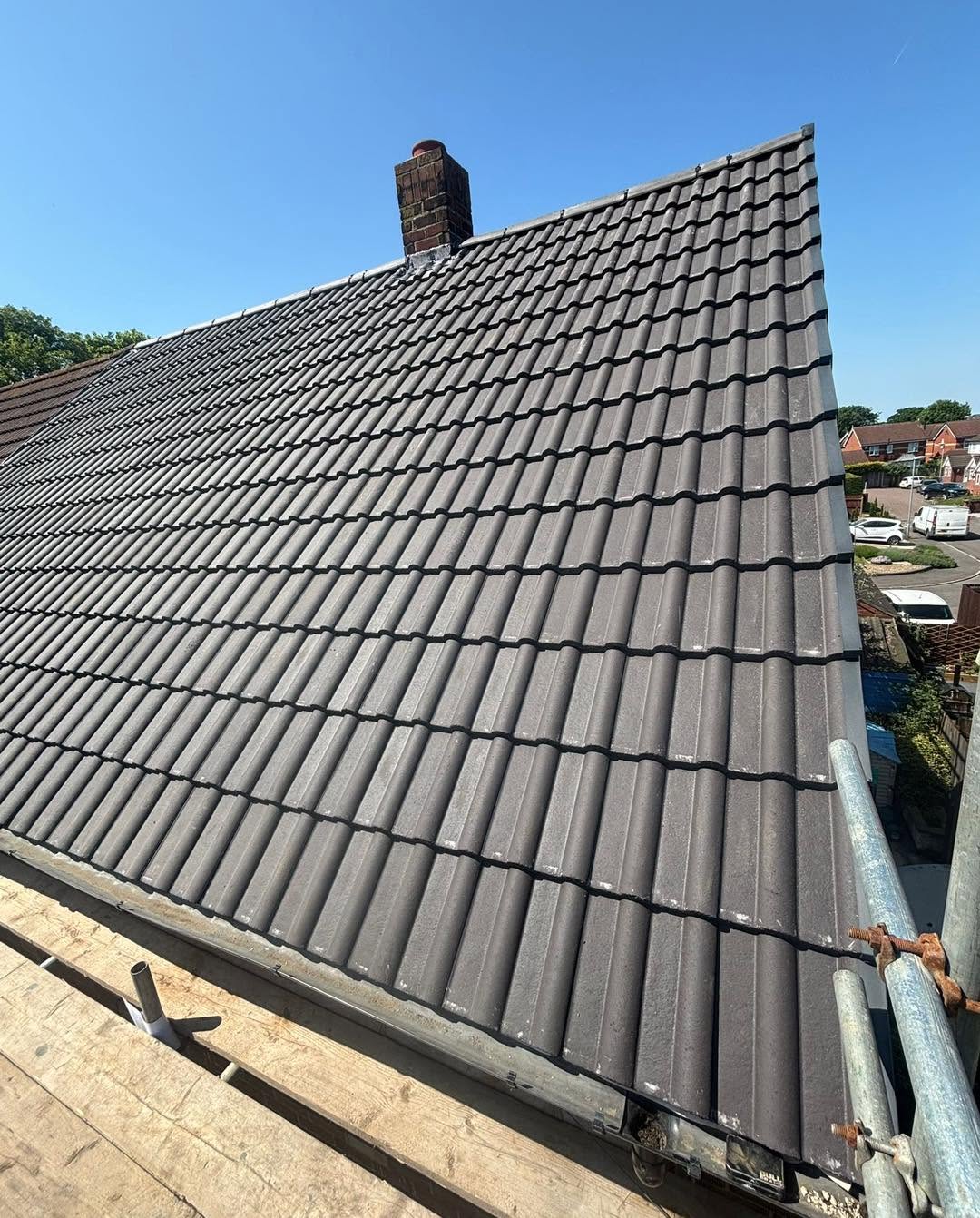
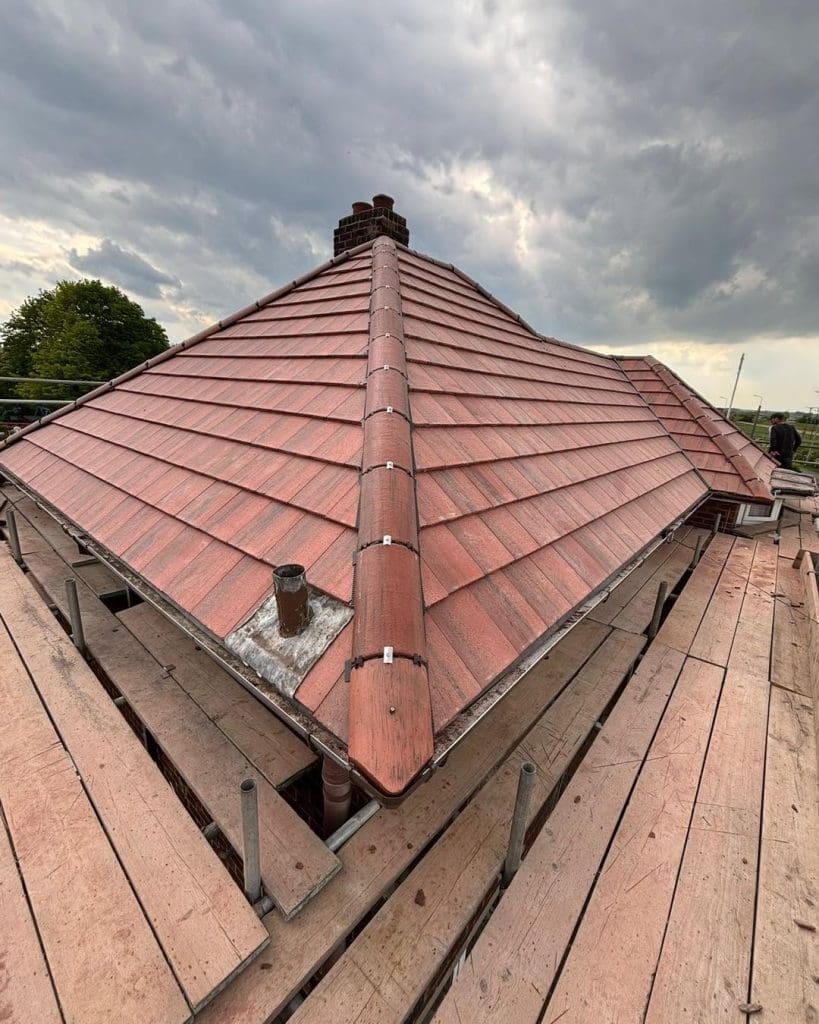
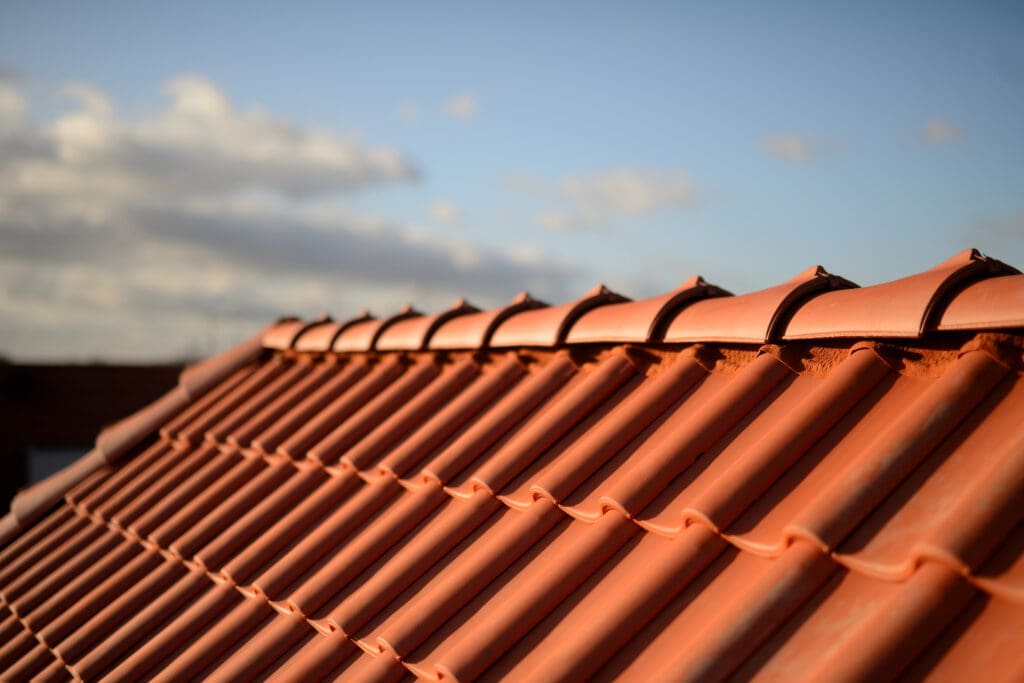
A pitched roof has a noticeable slope, allowing rainwater to run naturally towards the guttering. These roofs are common across UK residential properties and can be finished using materials such as tiles or slates.
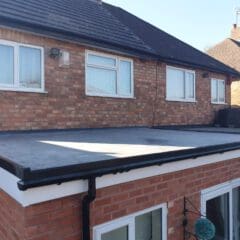
Flat roofs have a much shallower pitch that may not be immediately visible from ground level. Despite the name, they are not normally completely level. A correctly designed flat roof incorporates a slight fall to help direct rainwater towards appropriate drainage points.
Both designs can provide effective, long-lasting protection when the roof is properly specified, installed, and maintained.
Flat Roofing: Advantages & Considerations
Flat roofs are commonly used on extensions, garages, porches, commercial buildings, and other structures where a pitched roof may not be practical or appropriate.
One advantage is the relatively simple roof profile. Flat roofing can be particularly suitable where the available height is restricted or where the design of an extension needs to sit below existing windows or other features of the main property.
Modern flat roofing systems are designed to provide a durable, weather-resistant covering, but correct installation and effective drainage are particularly important.
Drainage & Standing Water
Effective drainage is an important consideration for any flat roof.
The roof should be designed with sufficient falls to direct rainwater towards outlets or guttering. Problems can arise when drainage becomes blocked, the roof covering deteriorates, or areas of the structure impede effective drainage.
Persistent standing water, cracks, splits, lifting edges, or signs of water ingress should be assessed by a professional roofer. Sudden leaks or significant weather-related damage may require emergency roof repairs to prevent further water ingress while a longer-term solution is established.
Flat Roof Maintenance
Routine checks can help identify deterioration before it develops into a more significant problem.
Leaves and other debris can obstruct drainage points, while roof coverings may become damaged through age, weather exposure, or physical impact. Flashing and junctions around walls, rooflights, and other features should also remain watertight.
Our roofers can assess the condition of flat roofs in Grimsby and determine if localised repairs are appropriate or if the existing covering requires more extensive work.
Pitched Roofing: Advantages & Considerations
Pitched roofs are a familiar feature of homes across the UK.
Their sloping construction naturally directs rainwater towards gutters and downpipes, while the design allows a wide range of roofing materials and architectural styles to be used.
Traditional pitched roofing may incorporate tiles or slates, with the choice influenced by the property, roof structure, surrounding buildings, planning considerations, and the required appearance.
Effective Rainwater Drainage
The slope of a pitched roof helps move rainwater away from the roof surface efficiently.
Tiles, slates, flashing, valleys, guttering, and other components all work together as part of the overall roofing system. Damage to any of these elements can compromise the roof’s ability to keep the building weather-resistant.
Slipped or broken tiles, damaged flashing, blocked valleys, and defective guttering are common reasons to arrange a roof inspection. Where an existing guttering system has become extensively damaged or is repeatedly failing, replacement guttering may provide a more practical long-term solution than continued individual repairs.
Repairing an Existing Pitched Roof
Not every problem with a pitched roof means that the entire roof needs replacing.
Individual damaged tiles or slates, localised flashing defects, and other isolated problems can often be addressed through targeted roof repairs if the remainder of the roof remains in suitable condition.
More widespread deterioration may require a different approach. The age of the roof, the condition of the covering, the underlying structure, and the extent of previous repairs should all be considered before deciding on the most appropriate solution.
Where deterioration is extensive or repeated repairs are no longer practical, a professional assessment can help determine if a new roof should be considered.
Which Roof Type Requires More Maintenance?
Both flat and pitched roofs benefit from periodic inspection and maintenance.
Each roof type has different maintenance requirements, and neither should automatically be considered more demanding to maintain than the other.
Key areas to monitor include:
- Damaged, loose, or missing roofing materials
- Blocked gutters, outlets, and drainage points
- Deteriorated flashing around roof junctions
- Signs of leaks or water ingress inside the property
- Moss, vegetation, or debris affecting drainage
- Visible deterioration of the roof covering
Problems identified early may be easier to address than defects that have developed over a prolonged period. Following storms or unexpected damage, a roofer can also establish if routine repairs are sufficient or if emergency roof repairs are required.
Which Roof is Best for Your Property?
There is no single roofing system that is right for every building.
Several factors should be considered when choosing between flat and pitched roofing.
Property Design
The existing structure often determines the most practical roof design. A traditional house may naturally suit a pitched tiled or slate roof, while a flat roofing system may be more appropriate for an extension, garage, or commercial building.
Available Height
Planning restrictions, neighbouring properties, windows, and the existing roofline can all influence the available height for a new roof.
A flat or low-pitched design may provide a practical solution where height is limited.
Drainage
Every roof needs an effective method of managing rainwater.
Pitched roofs use their slope to direct water towards guttering, while flat roofs rely on carefully designed falls and drainage points. Correct installation is essential for both.
The condition of the guttering should also be considered as part of the overall roofing system. Damaged sections, persistent leaks, or ineffective drainage may indicate that repairs or replacement guttering are required.
Roofing Materials
The roof design influences which materials can be used.
Tiles and slates are commonly associated with pitched roofs, while flat roofs require specialist waterproof roofing systems suited to their lower angle.
The condition and design of the building should be assessed before deciding which roofing material or system is most appropriate.
Budget & Long-Term Requirements
Installation cost is only one consideration when choosing a roof.
The condition of the existing structure, required preparation work, roofing materials, design complexity, access, drainage, and future maintenance requirements can all influence the overall cost.
Our roofers can assess these factors and provide advice tailored to the individual property, rather than relying on a general comparison between flat and pitched roofing.
Professional Roofing Services in Grimsby
The right roofing solution depends on the property, existing structure, roof design, and the work required. Flat roofs and pitched roofing systems can both provide effective protection when correctly specified, professionally installed, and appropriately maintained.
Especially Roofing provides professional roofing services for homeowners and commercial property owners throughout Grimsby and the surrounding areas. An experienced roofer can assess existing damage, investigate leaks, and advise on repairs or longer-term roofing requirements.
From replacement guttering and planned maintenance to new roofs and emergency roof repairs following sudden damage, the Especially Roofing team provides professional roofing services across Grimsby and the surrounding areas. Get in touch today on 07708 080817 or 01964 204092.