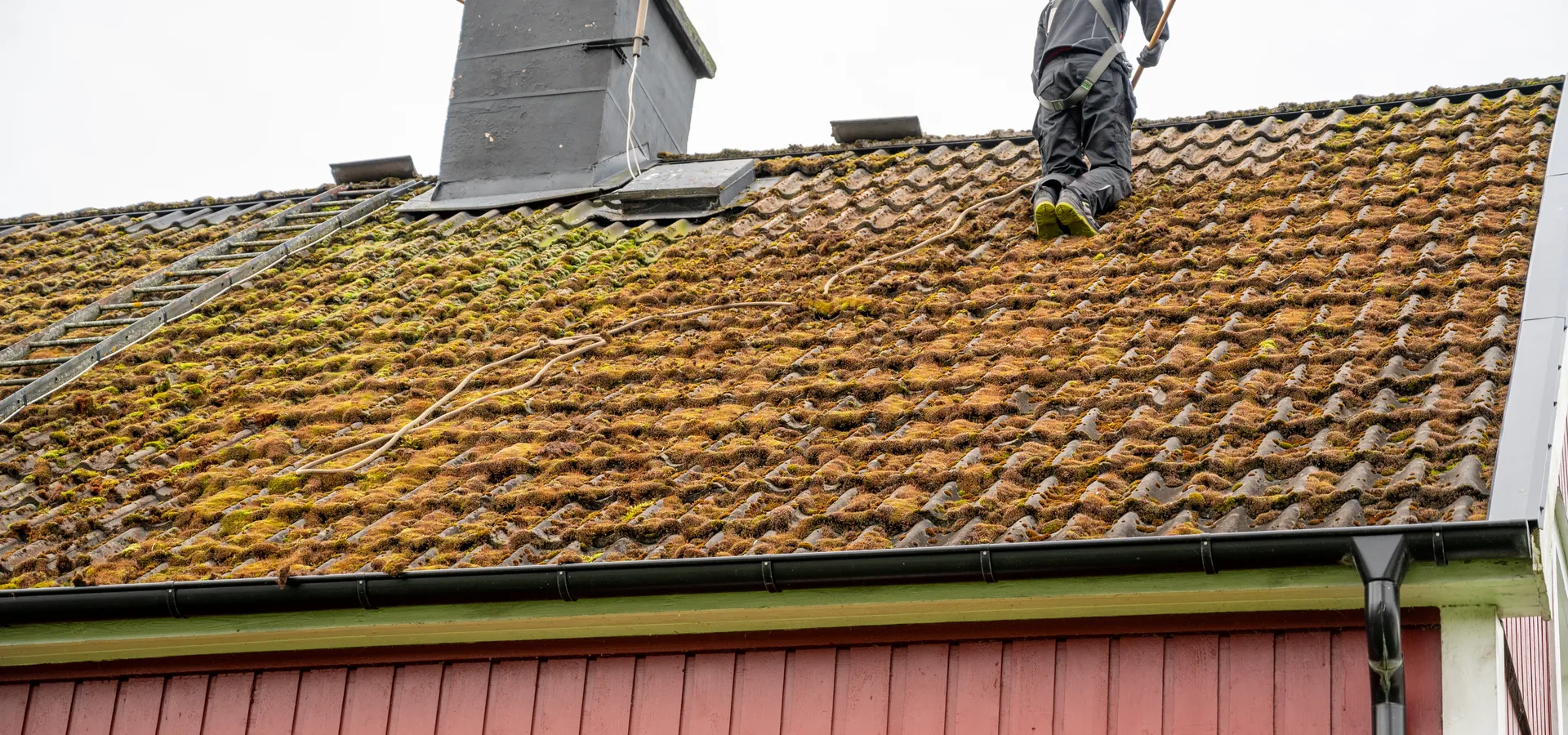
Moss Removal in Sewerby
Get the moss off the damp, shaded side of your roof without harming the tiles beneath it.
- Scraped off by hand
- Cleaning matched to tiles
- Gutters left clear
Get a quote for moss removal in Sewerby
Fill out the form below, and we will get back to you swiftly.
- Family Run Since 1990
- 24/7 Emergency Repairs
- Free Drone Inspections
- VELUX Approved Installer
Why moss settles on one side of the roof and not the other
Damp and shade are what moss likes, so it collects on the slope that sees least sun, beneath overhanging branches and in the gaps between tiles where water lingers. A light film is mostly cosmetic. Once it thickens, though, it soaks up rain like a sponge, keeps the tiles wet for longer, and can creep under their lower edges. Pieces of it also wash into the gutters, where they block the outlets.
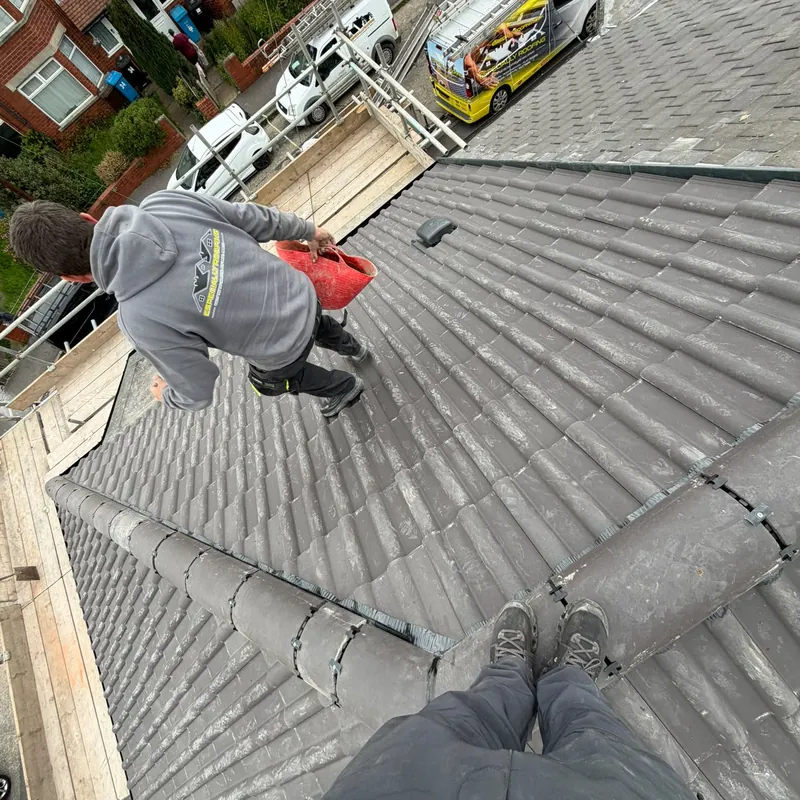
Removal is done by hand, scraping moss off each tile and out of the gaps around it. A high-pressure jet can strip the face off some concrete tiles and force water back under the overlaps, so if more cleaning is needed, the method is matched to your tiles. After that the gutters and downpipes are emptied and the tiles are treated so moss returns more slowly. Being up there also means the ridge, the flashings and every tile get a close look.
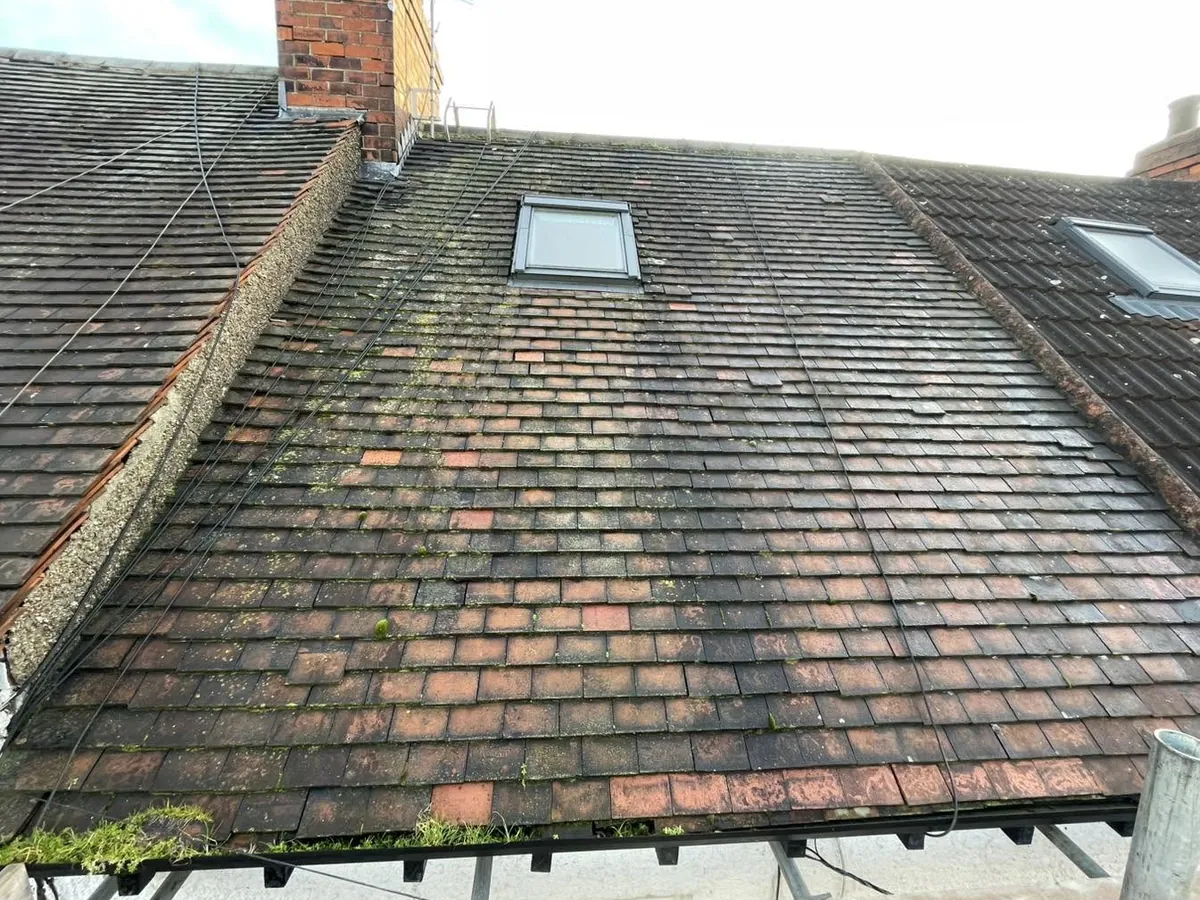
Clearing moss from low bungalow roofs and taller Sewerby houses
Wind off the sea can dry an exposed slope quickly, yet the side of a Sewerby roof turned away from the sun, or shaded by a wall or trees, may stay damp for days and grow moss readily. Bungalow roofs are often lower in pitch than those on houses, and a shallower slope can shed water more slowly, which gives moss an easier start along the bottom courses and around the gutters.
Because a bungalow's eaves are low, it can be tempting to tackle the moss from a ladder, but standing on tiles can crack them, and careless scraping can do more harm than the moss itself. On a house, the height and pitch make it a job for the right access equipment. Whichever you have, the drone first shows where growth is heaviest and what tile is on the roof, so the work can be planned safely.
What your moss removal quote covers
- Moss scraped from tiles and joints by hand
- Cleaning method chosen to suit the tiles
- Gutters and outlets cleared of debris
- Downpipes checked for blockages
- Treatment applied to slow regrowth
- Check for slipped, cracked or loose tiles
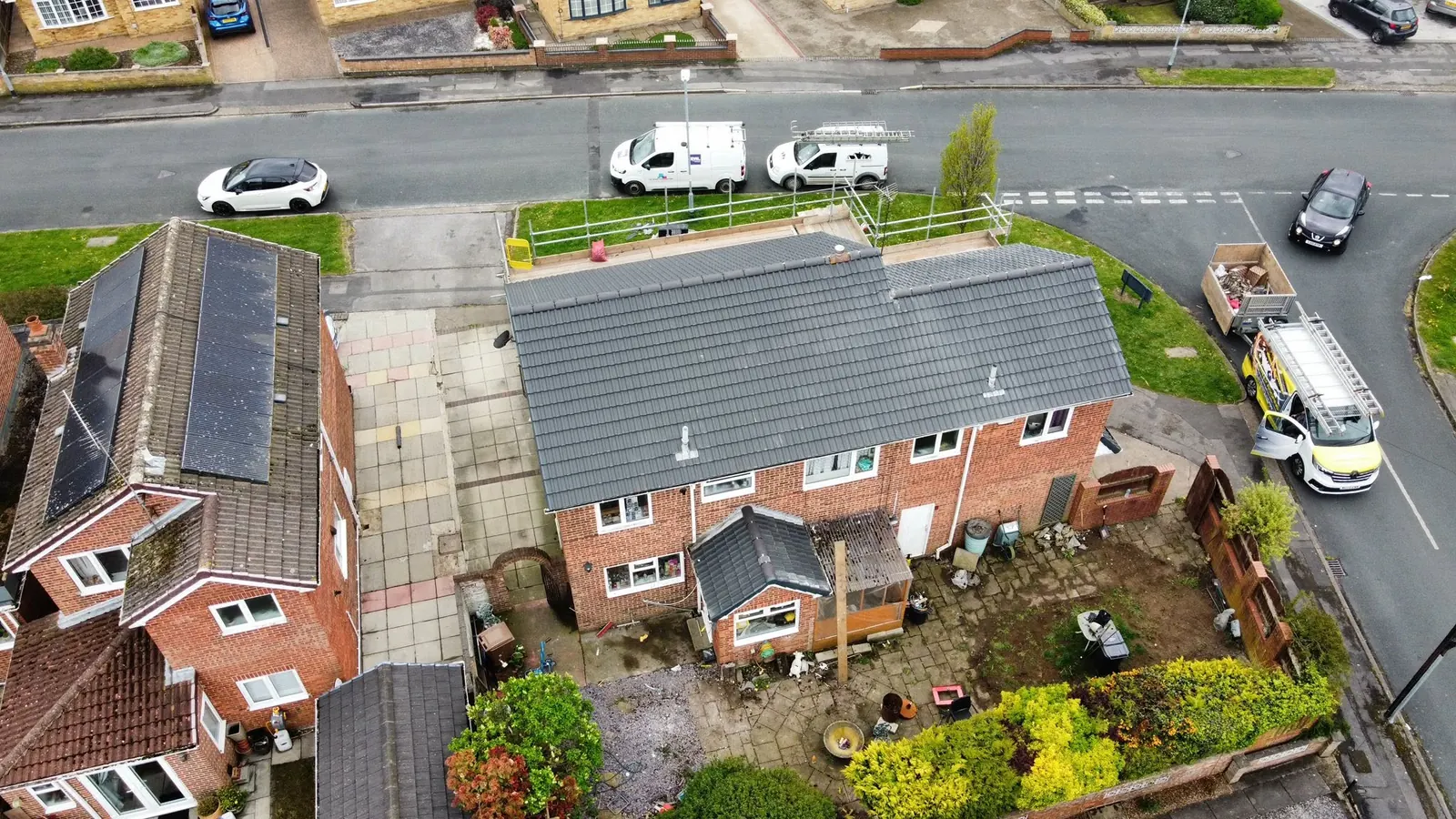
See your roof from above before you decide
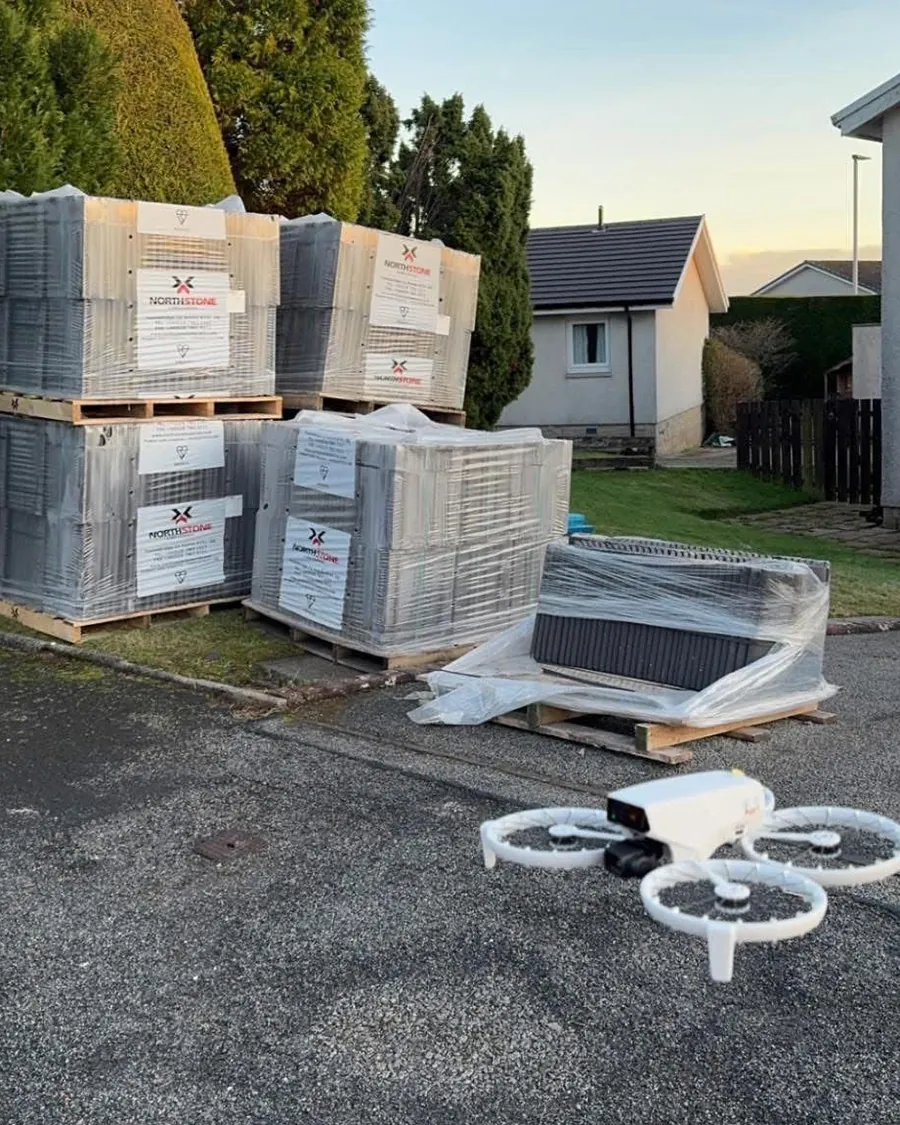
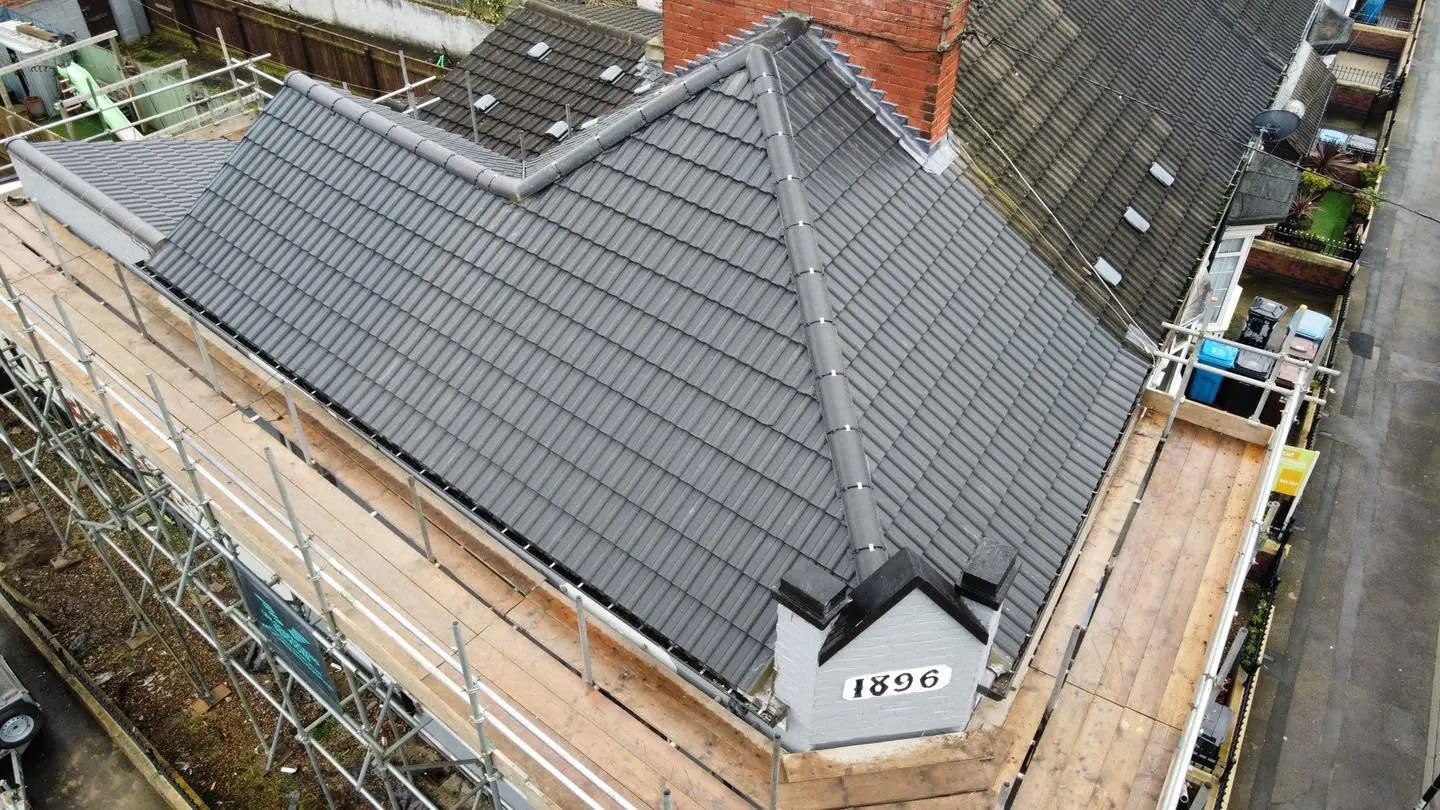
Most roof problems cannot be seen from the garden. Our drone survey gives you clear pictures of the tiles, ridge, valleys, chimney and guttering, so you can see the damage we are talking about and understand why the work is needed.
It is free and there is no obligation. If the roof is sound, we will tell you so. If it needs work, the images sit alongside your written quote, and they are useful if you are making an insurance claim for storm damage.
How your moss removal job runs, step by step
Why choose Especially Roofing for moss removal in Sewerby?
Family run, and still local
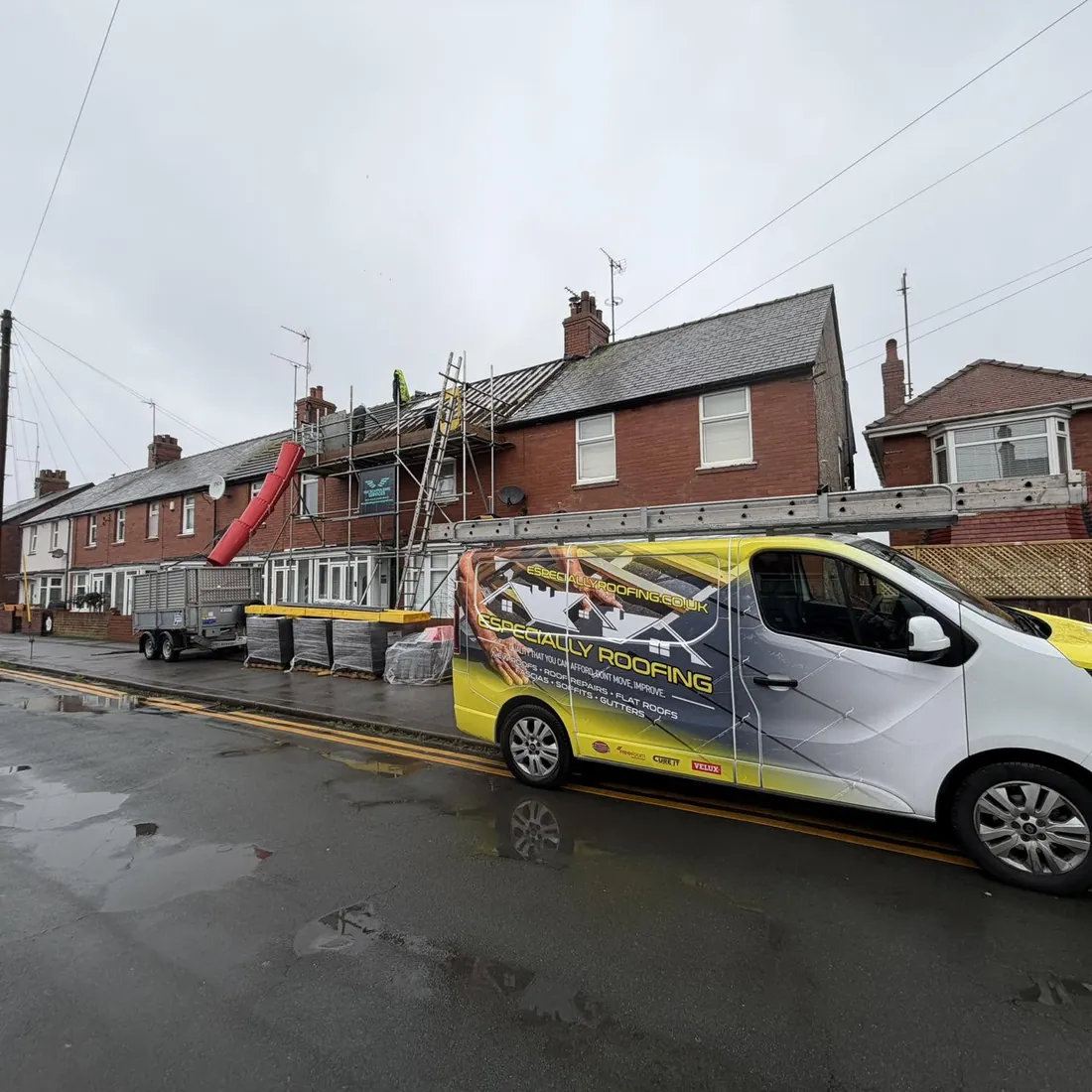
A family business on Yorkshire roofs since 1990, with more than 100 years of combined experience across the team you deal with.
What our customers say
Reviews from homeowners and businesses we have worked for around Hull.
Moss removal in Sewerby: your questions
Why does one slope have so much more moss than the other?
Is moss worse on a low-pitched bungalow roof?
Can I clear the moss myself?
What does the treatment after removal do?
How much does roof moss removal cost?
Is lichen on my tiles the same as moss?
Does the time of year matter for moss removal?
Will removing the moss stop my roof leaking?
Can’t find the answer you’re looking for?
Get in touch with the team today.
- Call us, 24 hours a day01262 335347
- Emailinfo@especiallyroofing.co.uk
- Find us66 Bond Street, Hull, HU1 3EN
Moss Removal in other areas
- Moss Removal in Beverley
- Moss Removal in Hornsea
- Moss Removal in Withernsea
- Moss Removal in Market Weighton
- Moss Removal in Goole
- Moss Removal in Barton-upon-Humber
- Moss Removal in Scunthorpe
- Moss Removal in Grimsby
- Moss Removal in Bridlington
- Moss Removal in Driffield
- Moss Removal in Pocklington
- Moss Removal in Cottingham
- Moss Removal in Hessle
- Moss Removal in Brough
- Moss Removal in South Cave
- Moss Removal in Snaith
- Moss Removal in Aldbrough
- Moss Removal in Patrington
- Moss Removal in Flamborough
- Moss Removal in Hull