Moss Removal in Snaith
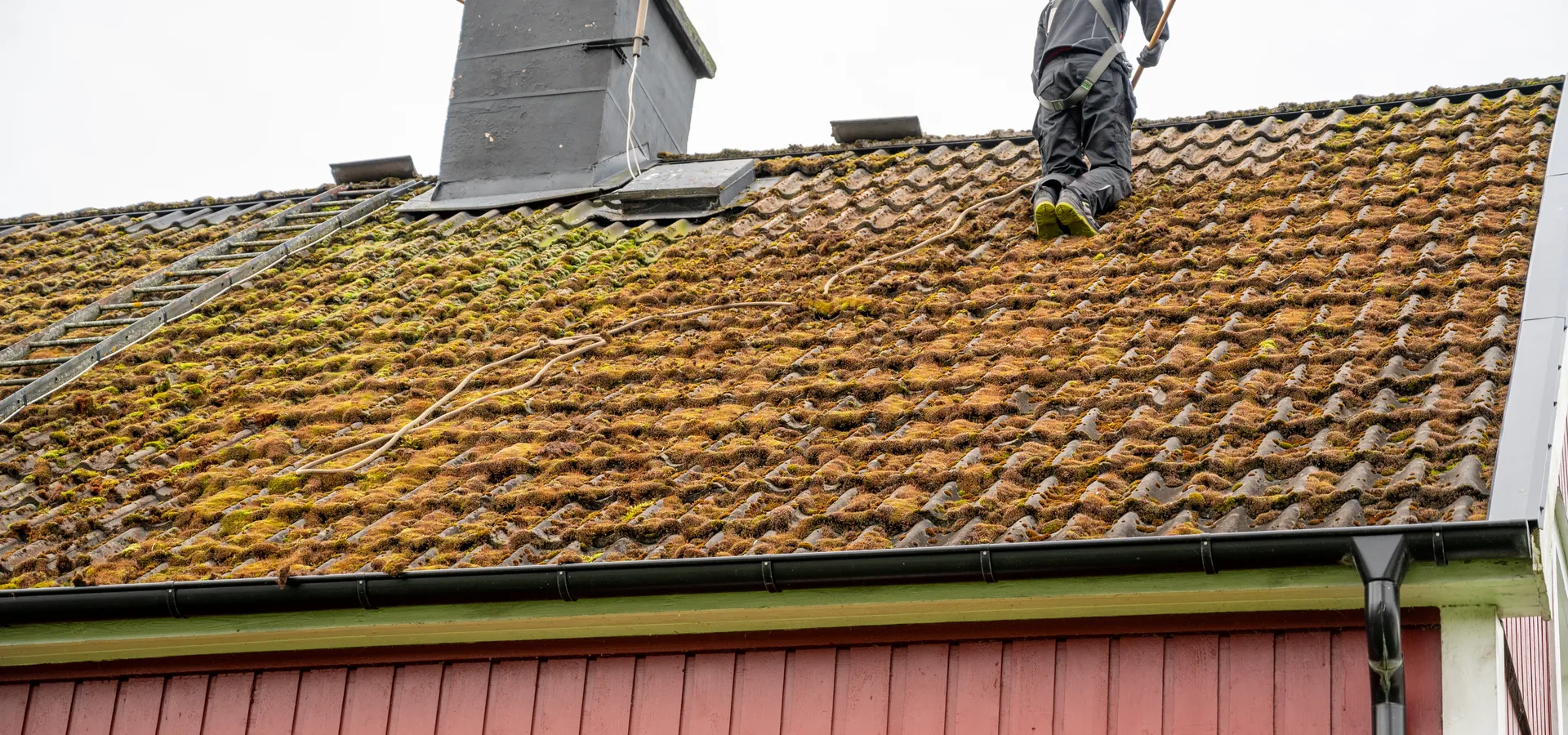
Get thick moss off your Snaith roof by hand, with gutters cleared and every tile looked over.
- Scraped off by hand
- Cleaning to suit your tiles
- Tiles looked over too
Get a quote for moss removal in Snaith
Fill out the form below, and we will get back to you swiftly.
- Family Run Since 1990
- 24/7 Emergency Repairs
- Free Drone Inspections
- VELUX Approved Installer
Moss on a roof is more than a cosmetic problem
A roof that stays damp is where moss gets its start, so it tends to gather on slopes that face away from the sun, under overhanging trees and in the rough texture of older tiles. As it thickens it behaves like a wet blanket, holding rain against the tiles well after a shower. It can creep under the bottom edge of a tile and lift it, and when frost comes, the water trapped in it can freeze and crack the tile face.
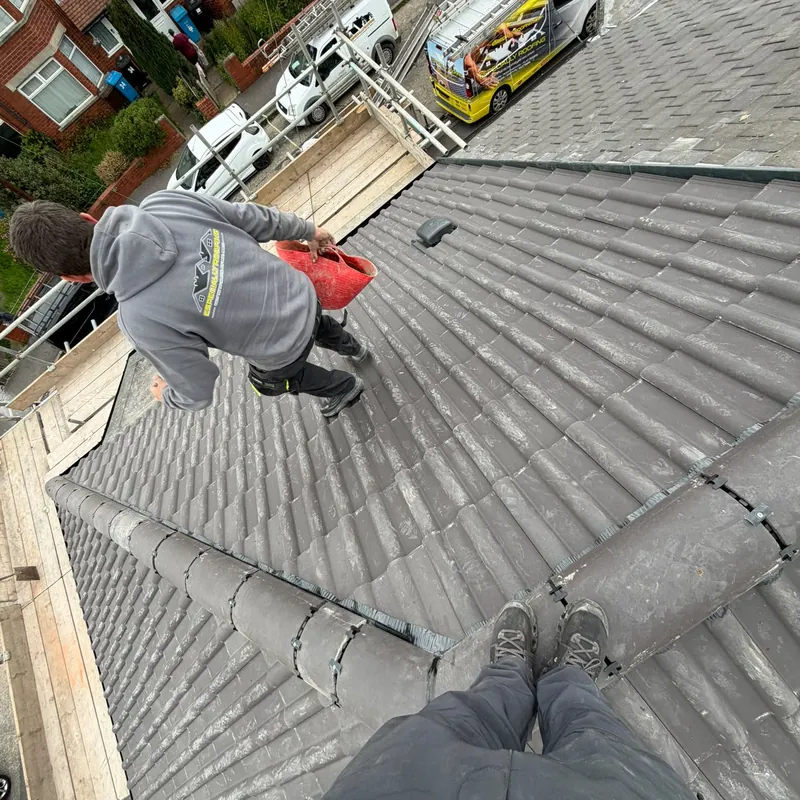
Removal is done by hand, with the moss lifted from the face of each tile and picked out of the joints. Jet washing is never the default: on some concrete tiles it scours away the surface and pushes water under the laps, so any further cleaning is suited to the tile type. Once the slopes are bare, everything that has washed into the gutters and downpipes is cleared out, and a treatment goes on to hold back regrowth.
Why moss settles on some roofs in and around Snaith
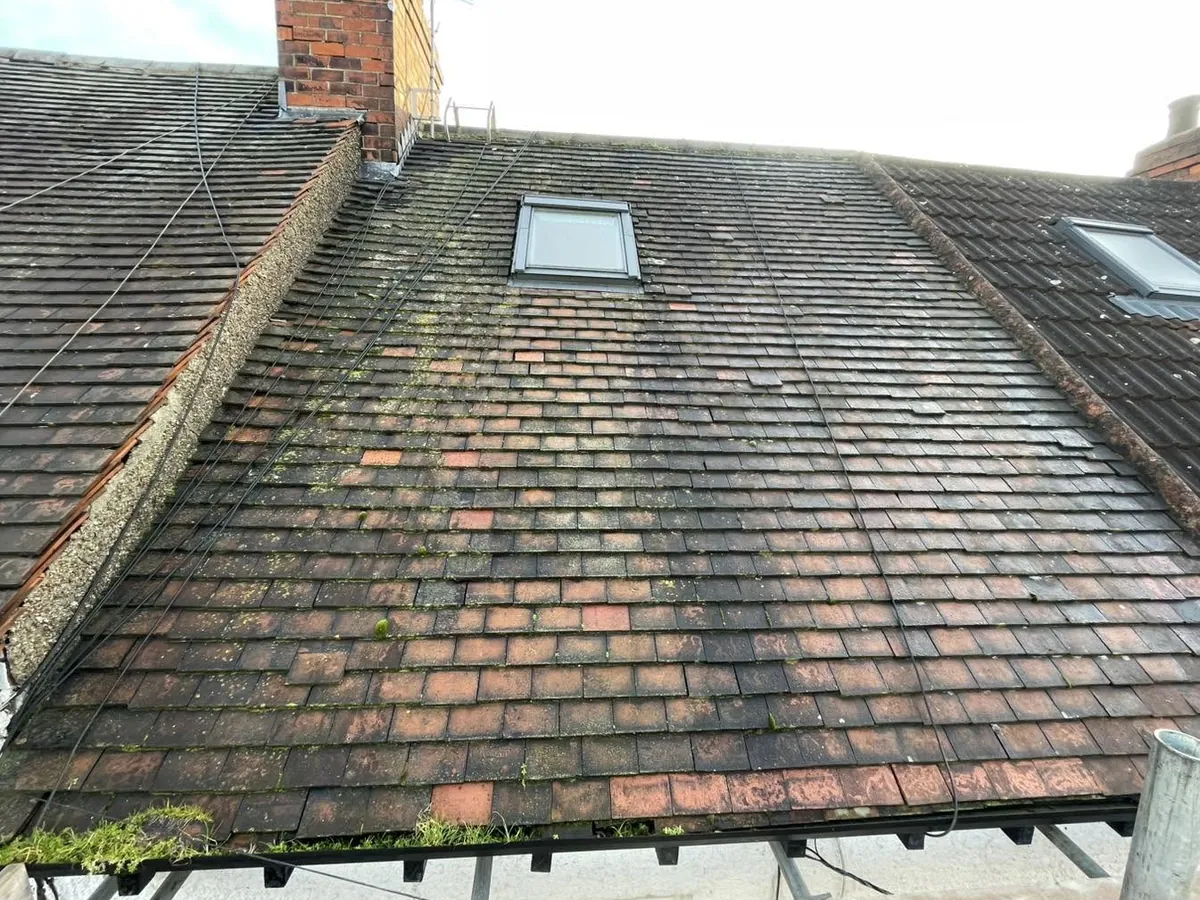
Low-lying land can keep the air damp, especially on still autumn and winter mornings when mist can linger over low ground, and a roof that dries slowly is one moss will happily colonise. In Snaith, cottages and older brick houses in the centre often stand close together, so their rear slopes may get little sun and stay wet longest. Older clay or concrete tiles with a worn, rough surface give moss more to grip than a newer, smoother tile.
Open, level ground has an upside: roofs that catch the sun and wind all day tend to dry out faster, and on the newer housing around the town moss can be lighter and patchier. It still collects on north-facing slopes, around dormers and in the valleys where debris builds up. Wherever it grows, the same moss ends up in the gutters, so a roof that has been left for a while can come with an overflowing outlet as well.
What your moss removal quote covers
- Moss scraped from tiles and joints by hand
- Cleaning method chosen to suit the tiles
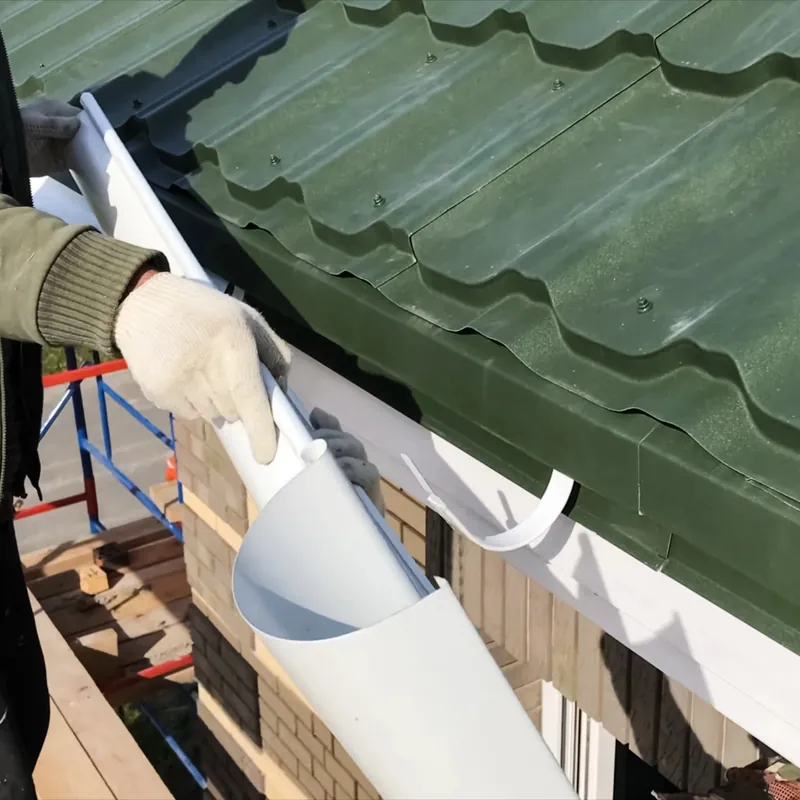
- Gutters and outlets cleared of debris
- Downpipes checked for blockages
- Treatment applied to slow regrowth
- Check for slipped, cracked or loose tiles
See your roof from above before you decide
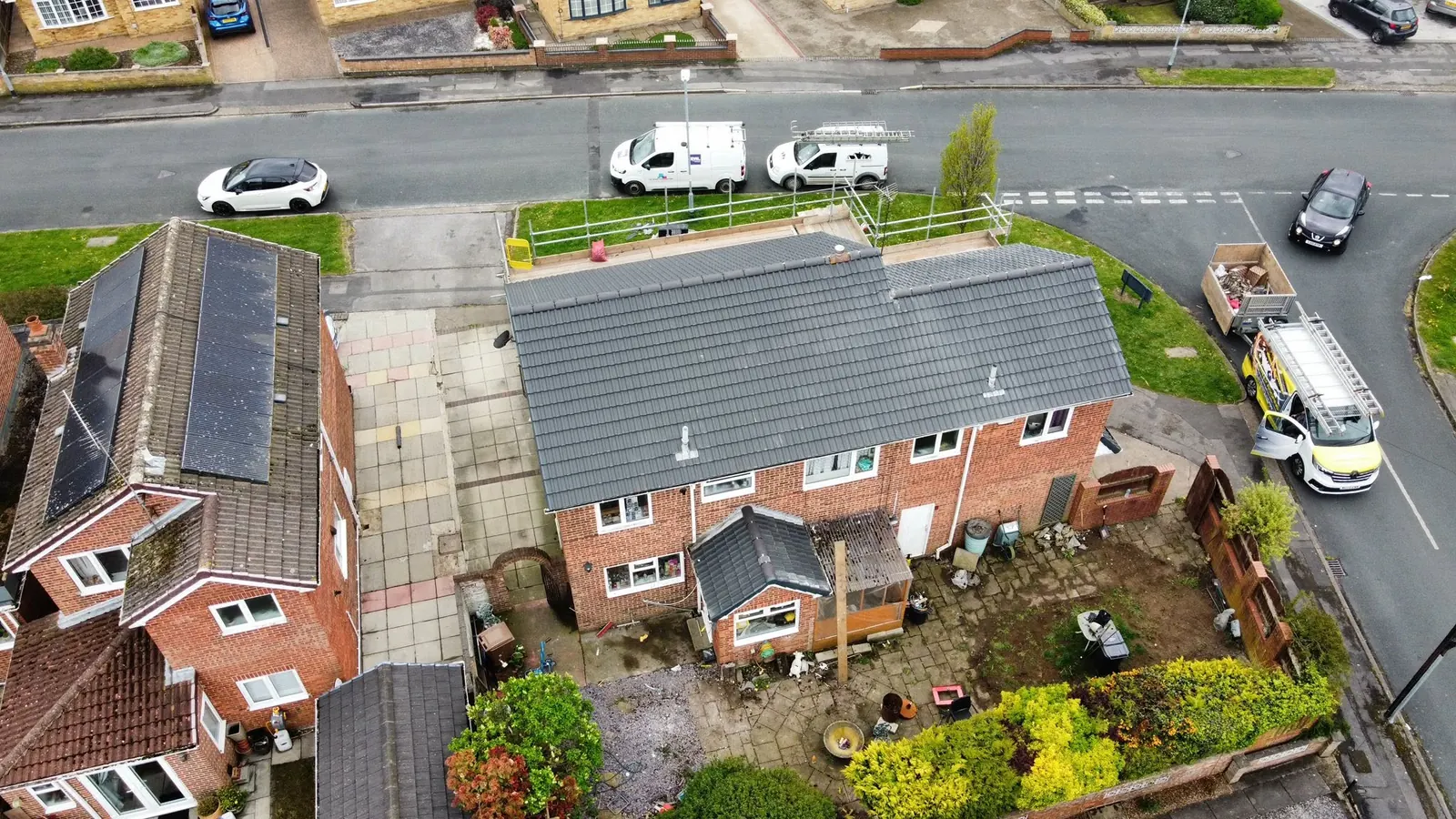
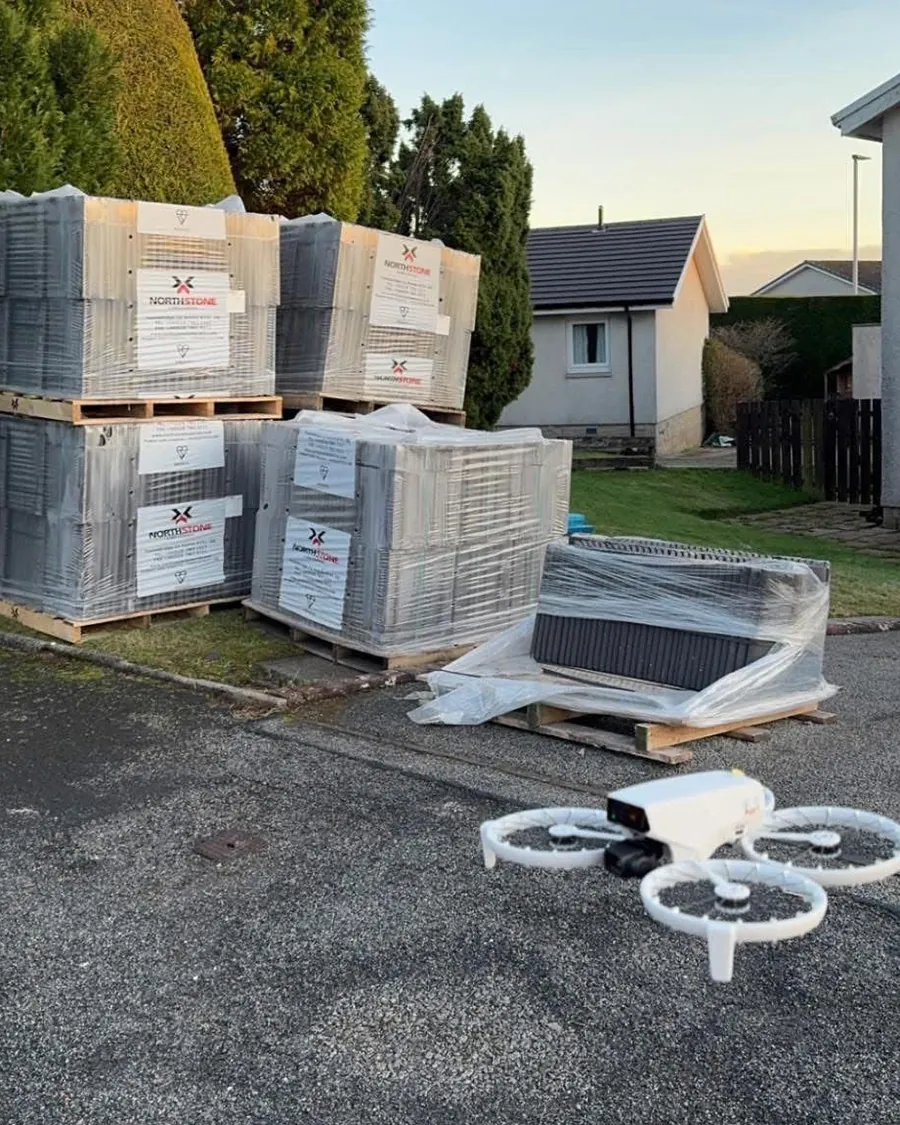
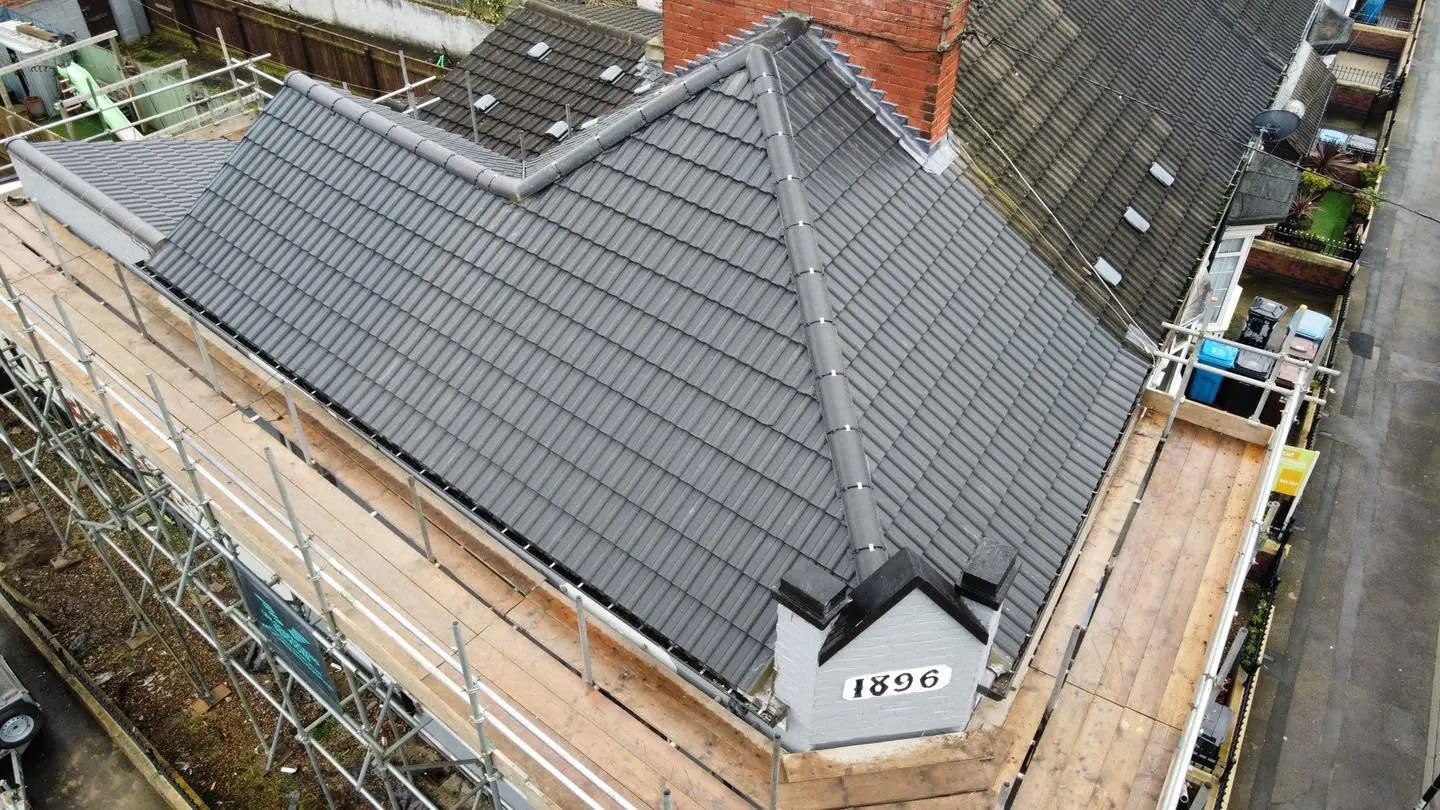
Most roof problems cannot be seen from the garden. Our drone survey gives you clear pictures of the tiles, ridge, valleys, chimney and guttering, so you can see the damage we are talking about and understand why the work is needed.
It is free and there is no obligation. If the roof is sound, we will tell you so. If it needs work, the images sit alongside your written quote, and they are useful if you are making an insurance claim for storm damage.
How your moss removal job runs, step by step
Why choose Especially Roofing for moss removal in Snaith?
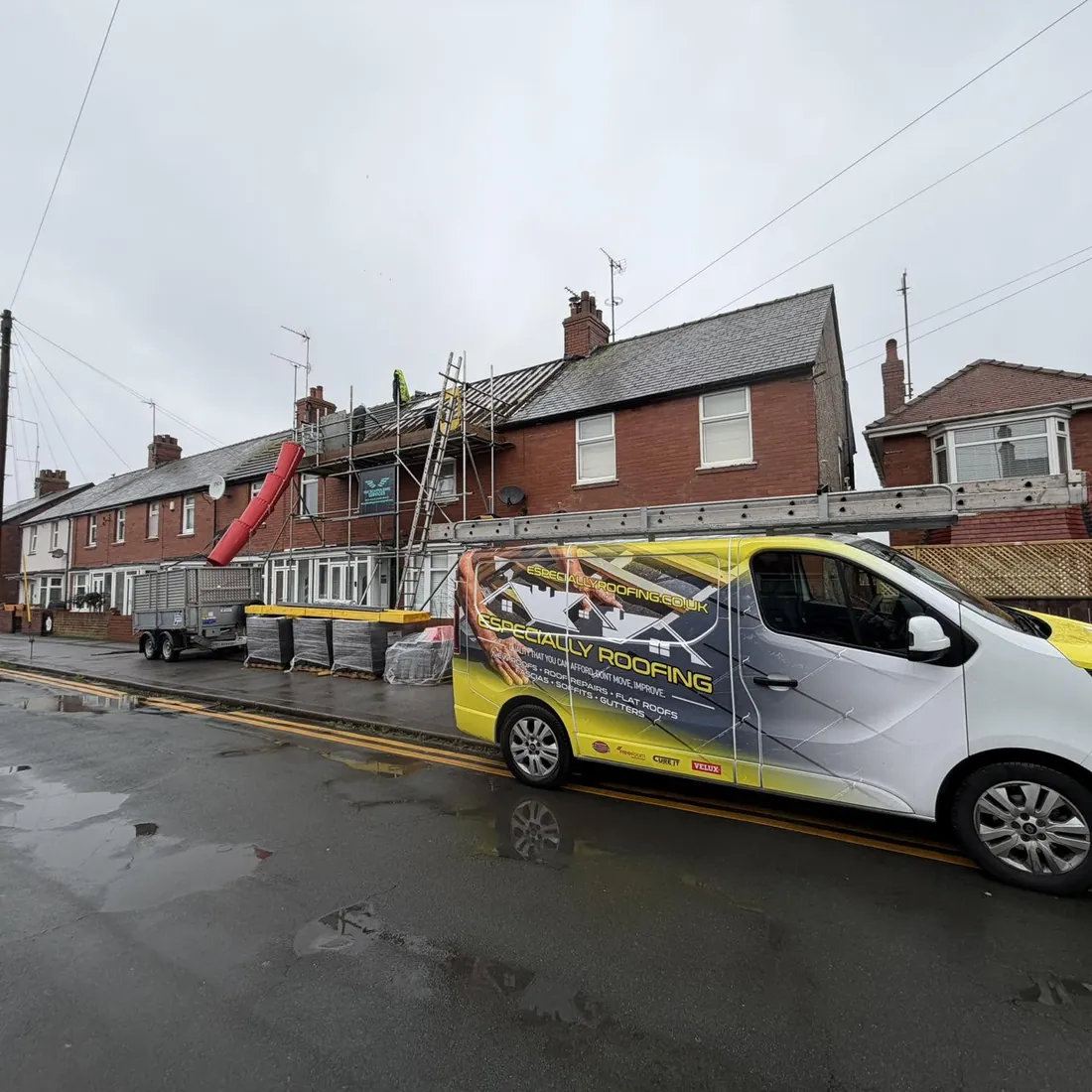
Family run, and still local
A family business on Yorkshire roofs since 1990, with more than 100 years of combined experience across the team you deal with.
What our customers say
Reviews from homeowners and businesses we have worked for around Hull.
Moss removal in Snaith: your questions
Why does the back of our roof have far more moss than the front?
Does a mossy roof mean it needs replacing?
Is it safe to clear moss from an old cottage roof?
Will my tiles look new once the moss is gone?
How much does roof moss removal cost?
Can moss cause a leak?
Is there a right time of year to have moss cleared?
Once the moss is cleared, will it grow back?
Can’t find the answer you’re looking for?
Get in touch with the team today.
- Call us, 24 hours a day01405 453046
- Emailinfo@especiallyroofing.co.uk
- Find us66 Bond Street, Hull, HU1 3EN
Moss Removal in other areas
- Moss Removal in Beverley
- Moss Removal in Hornsea
- Moss Removal in Withernsea
- Moss Removal in Market Weighton
- Moss Removal in Goole
- Moss Removal in Barton-upon-Humber
- Moss Removal in Scunthorpe
- Moss Removal in Grimsby
- Moss Removal in Bridlington
- Moss Removal in Driffield
- Moss Removal in Pocklington
- Moss Removal in Cottingham
- Moss Removal in Hessle
- Moss Removal in Brough
- Moss Removal in South Cave
- Moss Removal in Aldbrough
- Moss Removal in Patrington
- Moss Removal in Sewerby
- Moss Removal in Flamborough
- Moss Removal in Hull