Damp Proofing in Snaith
Find out where the water reaching your Snaith walls and ceilings comes from, and have that cause put right.
- Source traced from above
- Chimneys and flashings
- Honest about other causes
Get a quote for damp proofing in Snaith
Fill out the form below, and we will get back to you swiftly.
- Family Run Since 1990
- 24/7 Emergency Repairs
- Free Drone Inspections
- VELUX Approved Installer
Damp has a cause, and the cause is where the repair belongs
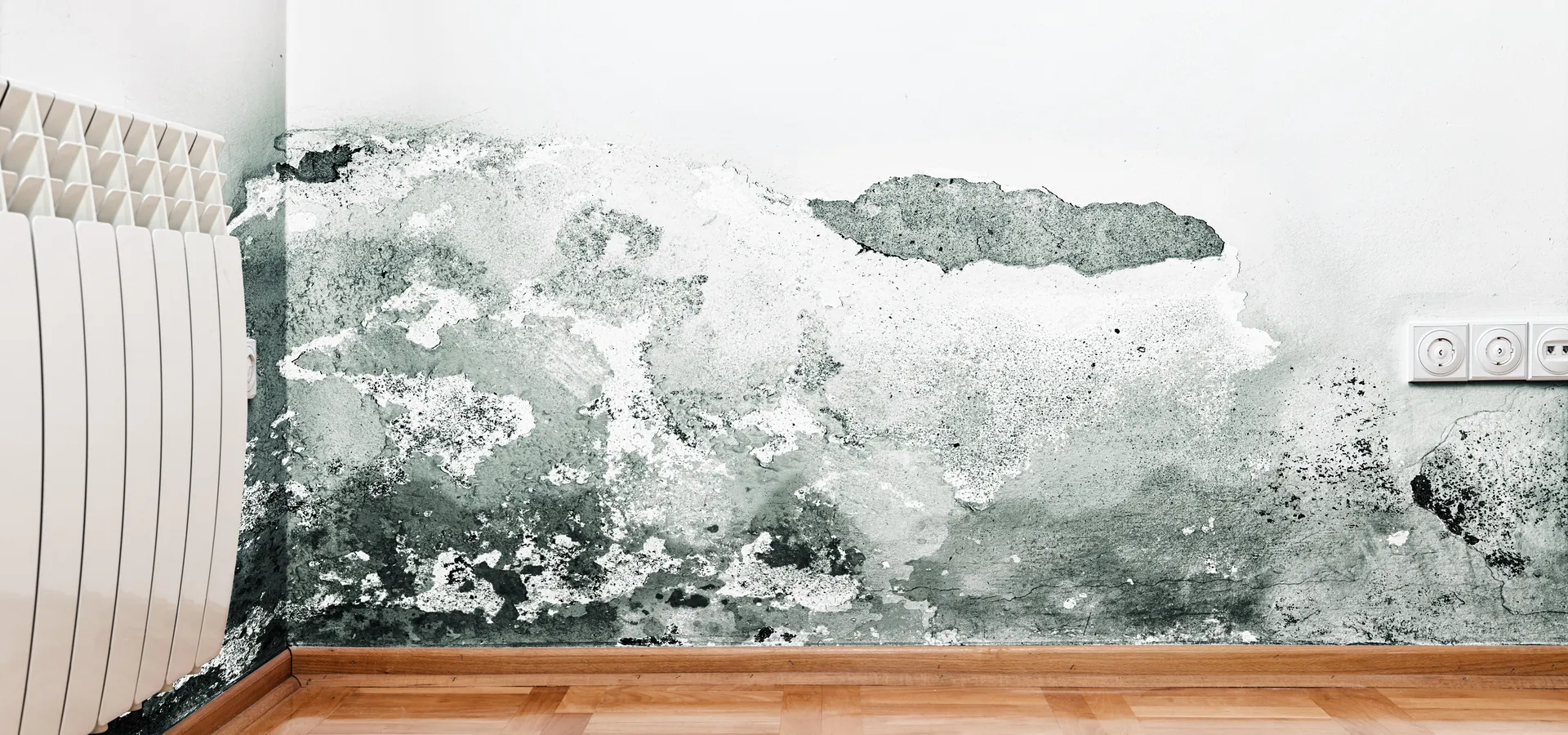
Damp in a house usually comes from one of three places. Penetrating damp is rain finding a way in through the roof, the walls or the roofline. Rising damp is ground moisture drawn up through the base of a wall. Condensation is moisture from cooking, washing and breathing settling on cold surfaces. Each needs a different answer, so the starting point is identifying which one you are dealing with, and treating a stain before that is known rarely lasts.
Being roofers, we start the search up top. Close drone footage of the chimney, its flashings, the valleys and the gutters, together with any wet timber or stained underlay spotted in the loft, usually narrows down where water is entering. Whether that turns out to be a cracked flashing, crumbling flaunching, a leaking stack, a slipped tile or a failing gutter, the repair is ours to make. We also handle general damp proofing, and where a cause lies beyond what we fix, we say so straight away.
Reading the signs of damp in Snaith's cottages and newer homes
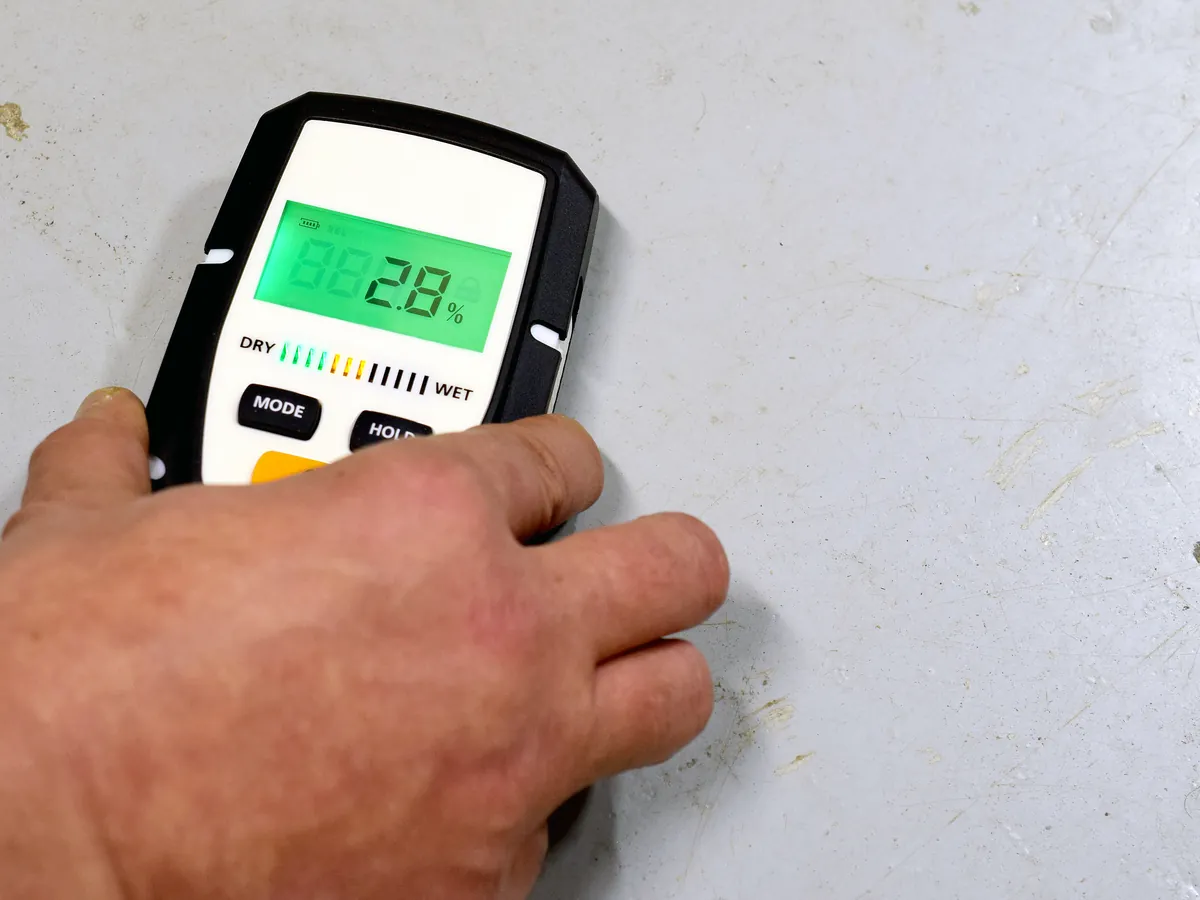
When damp turns up matters as much as where. In Snaith, a patch that darkens after a wet, windy spell and fades in dry weather is the classic sign of rain getting in, often around a cottage chimney breast or under a gutter joint. Damp that appears on cold mornings, with beads of water on windows and black spots in corners, points more to condensation. Damp that stays the same in all weathers, low on a wall, suggests a ground-level cause.
The older brick cottages in the centre often have solid walls and may have a chimney serving more than one room, so a single failed flashing or a gap in the flaunching can show up in two places at once. Newer houses around the town usually have cavity walls and fewer chimneys, and damp there is more often traced to a gutter, a roof window or a valley. Whichever kind of house you live in, we tell you what we found and fix the part that is ours to fix.
What your damp proofing quote covers
- Drone inspection of roof, stack and roofline
- Loft check for staining and wet timber
- Tracing the likely route of the water
- Flashing, flaunching and chimney repairs
- Guttering and downpipe repairs or clearing
- General damp proofing work where suitable
See your roof from above before you decide
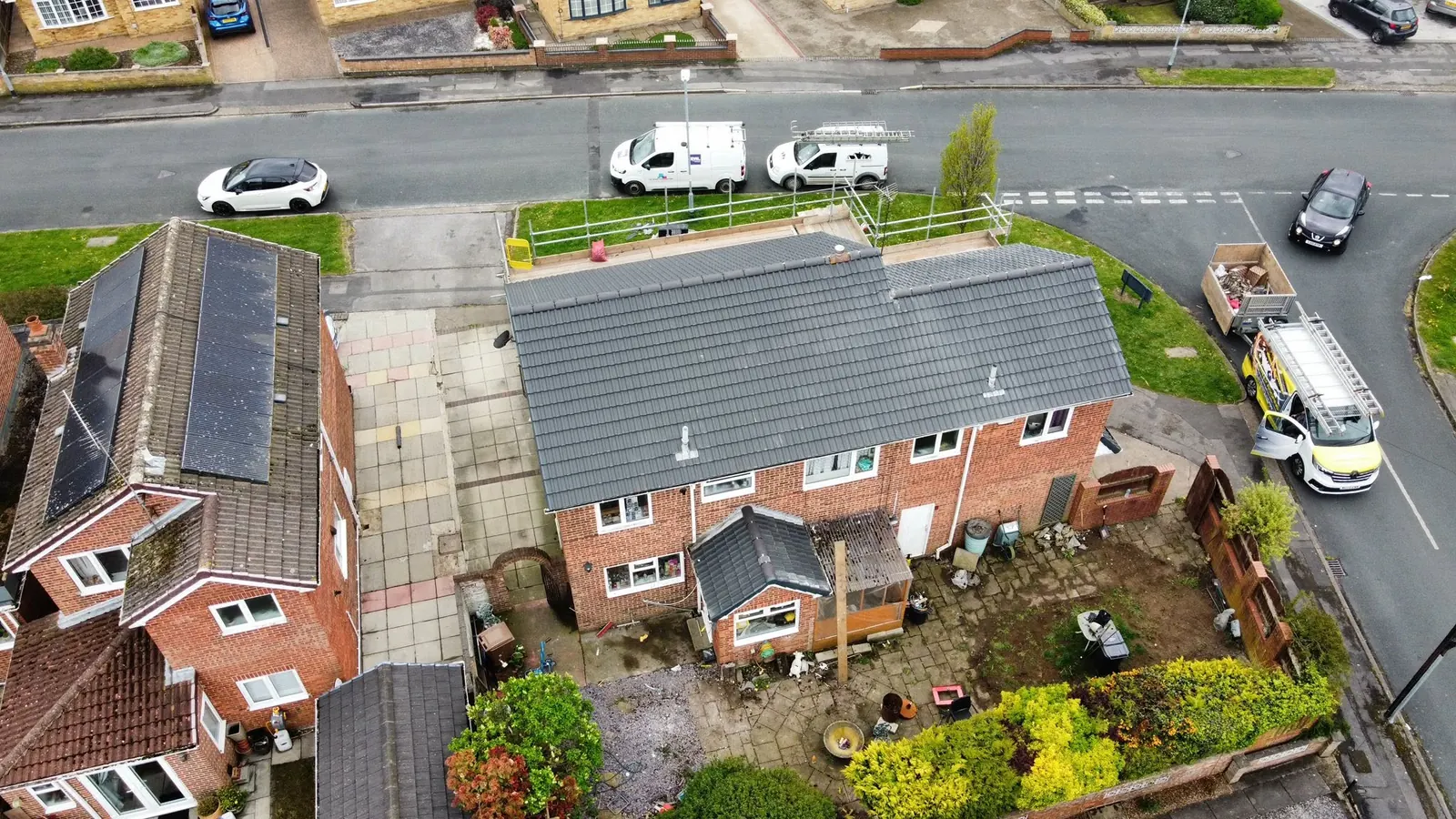
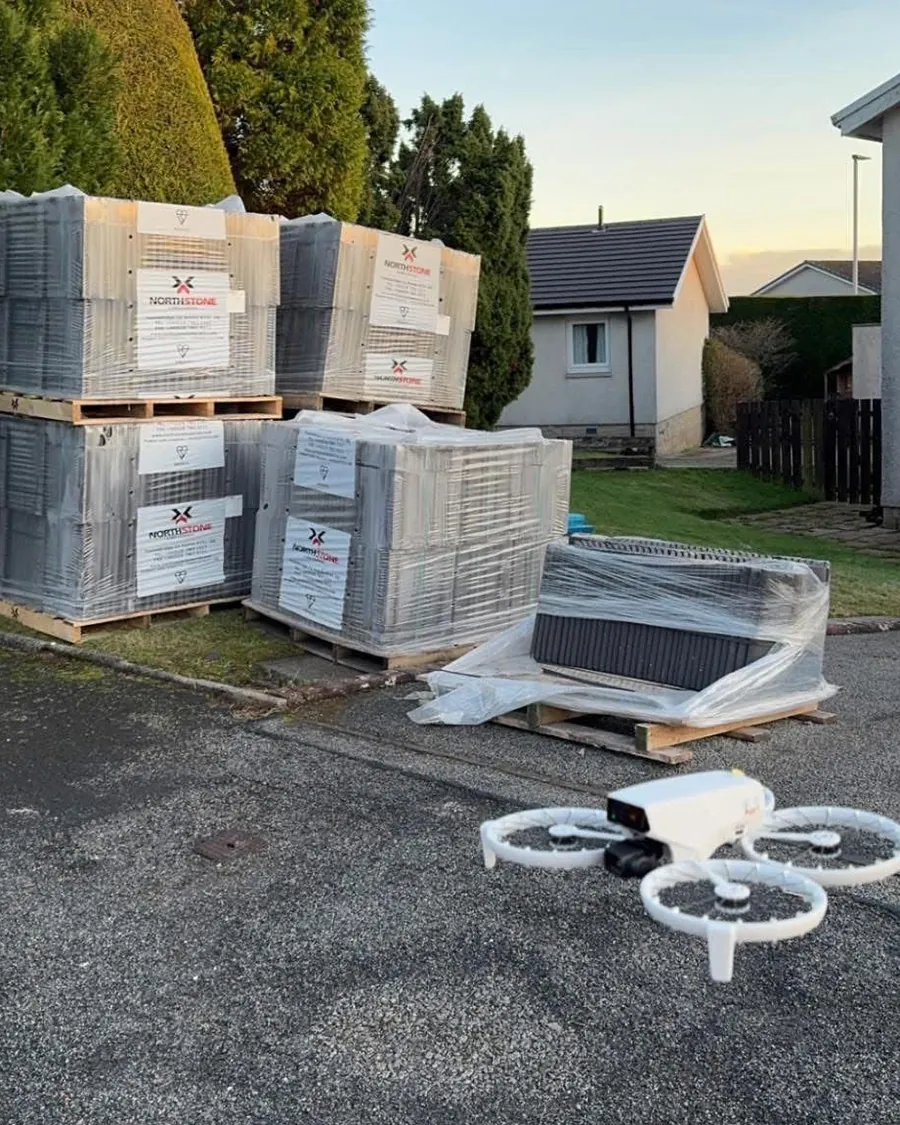
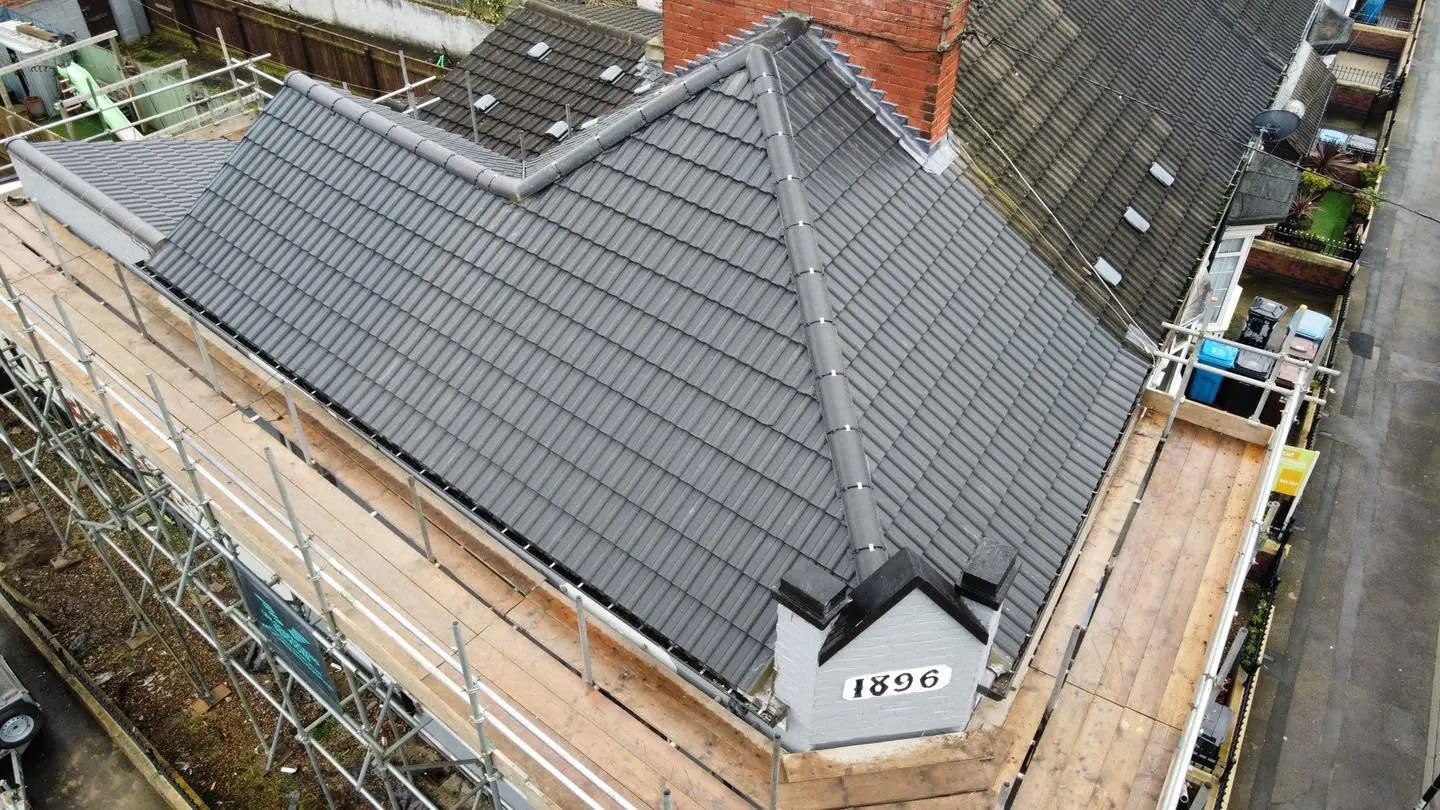
Most roof problems cannot be seen from the garden. Our drone survey gives you clear pictures of the tiles, ridge, valleys, chimney and guttering, so you can see the damage we are talking about and understand why the work is needed.
It is free and there is no obligation. If the roof is sound, we will tell you so. If it needs work, the images sit alongside your written quote, and they are useful if you are making an insurance claim for storm damage.
How your damp proofing job runs, step by step
Why choose Especially Roofing for damp proofing in Snaith?
Family run, and still local
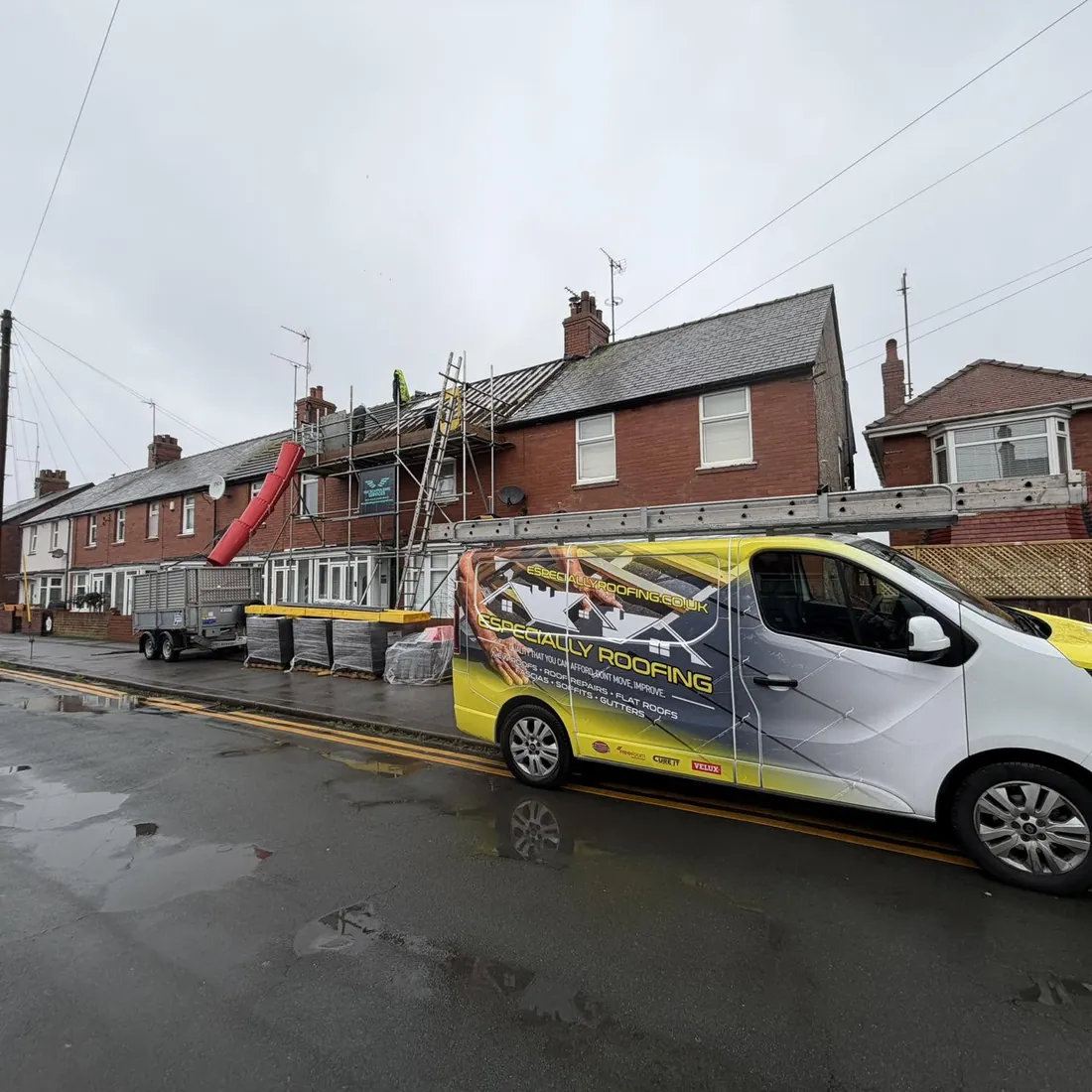
A family business on Yorkshire roofs since 1990, with more than 100 years of combined experience across the team you deal with.
What our customers say
Reviews from homeowners and businesses we have worked for around Hull.
Damp proofing in Snaith: your questions
What should I note down before you come to look at the damp?
Why is there a damp patch beside our chimney breast?
Could the black mould in our bedroom be condensation rather than a leak?
Can an older cottage have damp from more than one cause?
How much does damp proofing cost?
What is damp proofing?
How long does damp proofing last?
How does damp proofing work?
How long does damp proofing take?
Can’t find the answer you’re looking for?
Get in touch with the team today.
- Call us, 24 hours a day01405 453046
- Emailinfo@especiallyroofing.co.uk
- Find us66 Bond Street, Hull, HU1 3EN
Damp Proofing in other areas
- Damp Proofing in Beverley
- Damp Proofing in Hornsea
- Damp Proofing in Withernsea
- Damp Proofing in Market Weighton
- Damp Proofing in Goole
- Damp Proofing in Barton-upon-Humber
- Damp Proofing in Scunthorpe
- Damp Proofing in Grimsby
- Damp Proofing in Bridlington
- Damp Proofing in Driffield
- Damp Proofing in Pocklington
- Damp Proofing in Cottingham
- Damp Proofing in Hessle
- Damp Proofing in Brough
- Damp Proofing in South Cave
- Damp Proofing in Aldbrough
- Damp Proofing in Patrington
- Damp Proofing in Sewerby
- Damp Proofing in Flamborough
- Damp Proofing in Hull