
Damp Proofing in Pocklington
Follow damp on your walls or ceilings back to where water gets into your Pocklington home, then fix it.
- Roof and roofline causes
- Chimneys and flashings
- General damp proofing
Get a quote for damp proofing in Pocklington
Fill out the form below, and we will get back to you swiftly.
- Family Run Since 1990
- 24/7 Emergency Repairs
- Free Drone Inspections
- VELUX Approved Installer
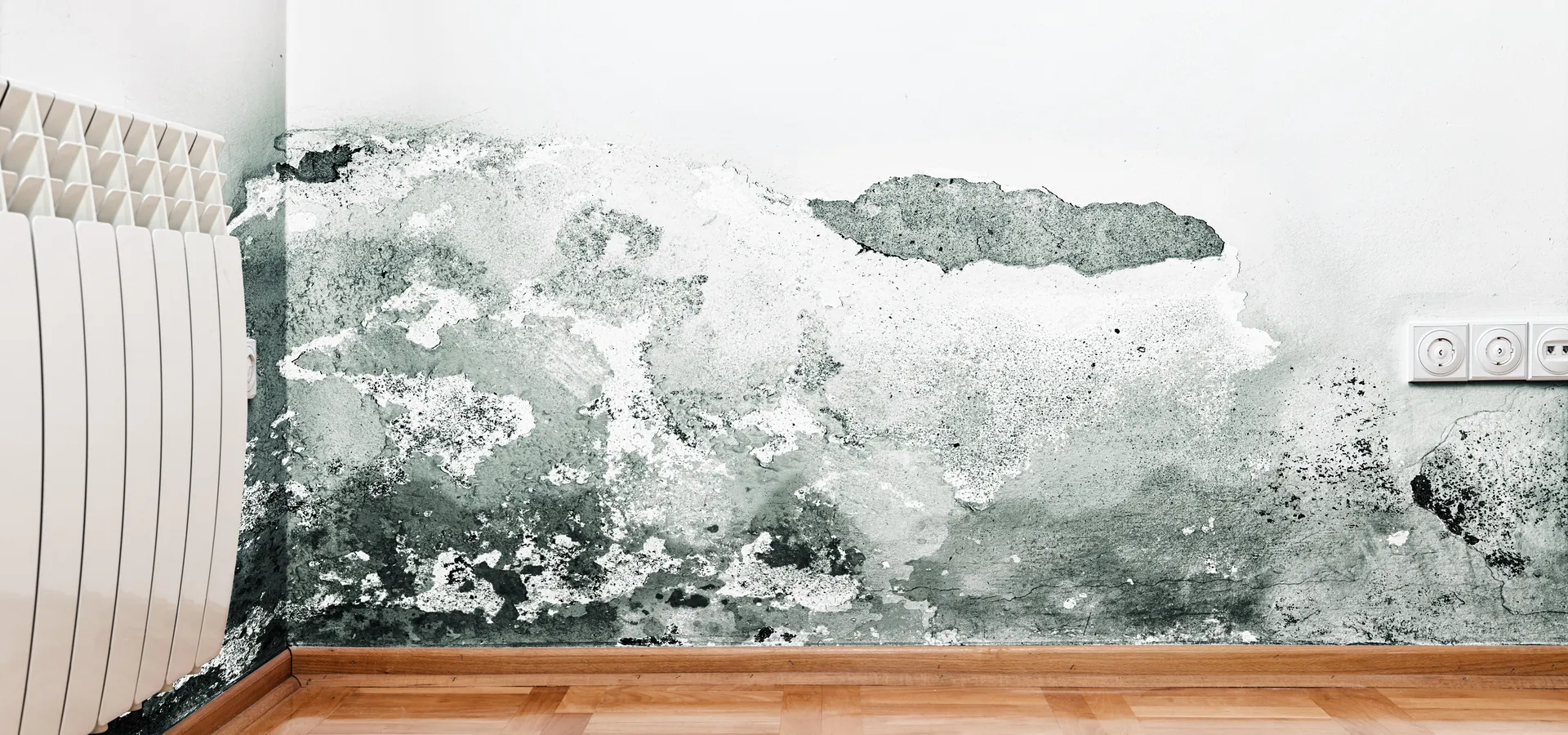
Damp is a symptom, so we look for the source first
A damp patch on a ceiling or upper wall tells you water is getting in somewhere, but it rarely shows where. The source is often above: lead flashing that has split or pulled away from a chimney stack, flaunching that has cracked, a slipped tile letting rain onto the felt, or a gutter dripping onto the brickwork. Painting over the stain without dealing with that source only means it returns, usually after the next spell of heavy rain.
Being roofers, our search begins overhead. Drone footage brings the stack, the flashings, the valleys and the gutters into close view, and checking the loft for stains or damp timber narrows down the route. When the cause is found, it gets repaired. General damp proofing is part of our work as well, and because damp can have more than one source, you hear plainly what we can see, including when a cause is outside what we fix.
Damp in Pocklington homes and where it usually starts
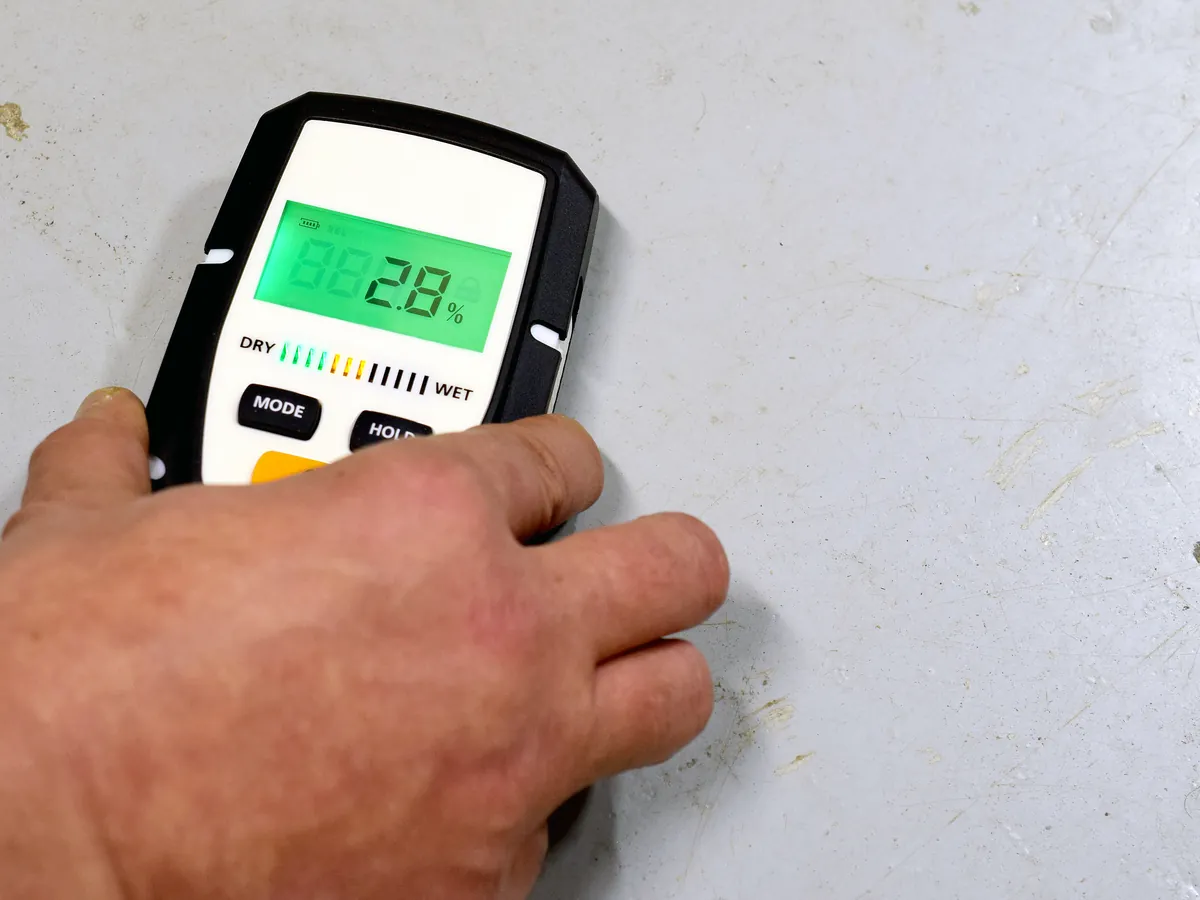
Older brick buildings in Pocklington's town centre often have chimney stacks, and the joint between stack and roof is a frequent entry point. Lead flashing tires, mortar joints open up and flaunching on top of the stack cracks, letting water into the brickwork and down to the chimney breast. Solid brick walls on older houses can also take on water from a leaking gutter or downpipe, and the damp then shows on the plaster inside.
Newer homes around the town are less likely to have chimneys, but they still get damp from blocked gutters, failed seals and slipped tiles. They can also suffer condensation, where moisture from cooking, washing and drying clothes settles on cold surfaces, often in the loft or on bedroom ceilings. That is a different problem from a leak, and the way damp sits, spreads and appears after rain or after cold nights helps tell the two apart.
What your damp proofing quote covers
- Drone inspection of roof, stack and roofline
- Loft check for staining and wet timber
- Tracing the likely route of the water
- Flashing, flaunching and chimney repairs
- Guttering and downpipe repairs or clearing
- General damp proofing work where suitable
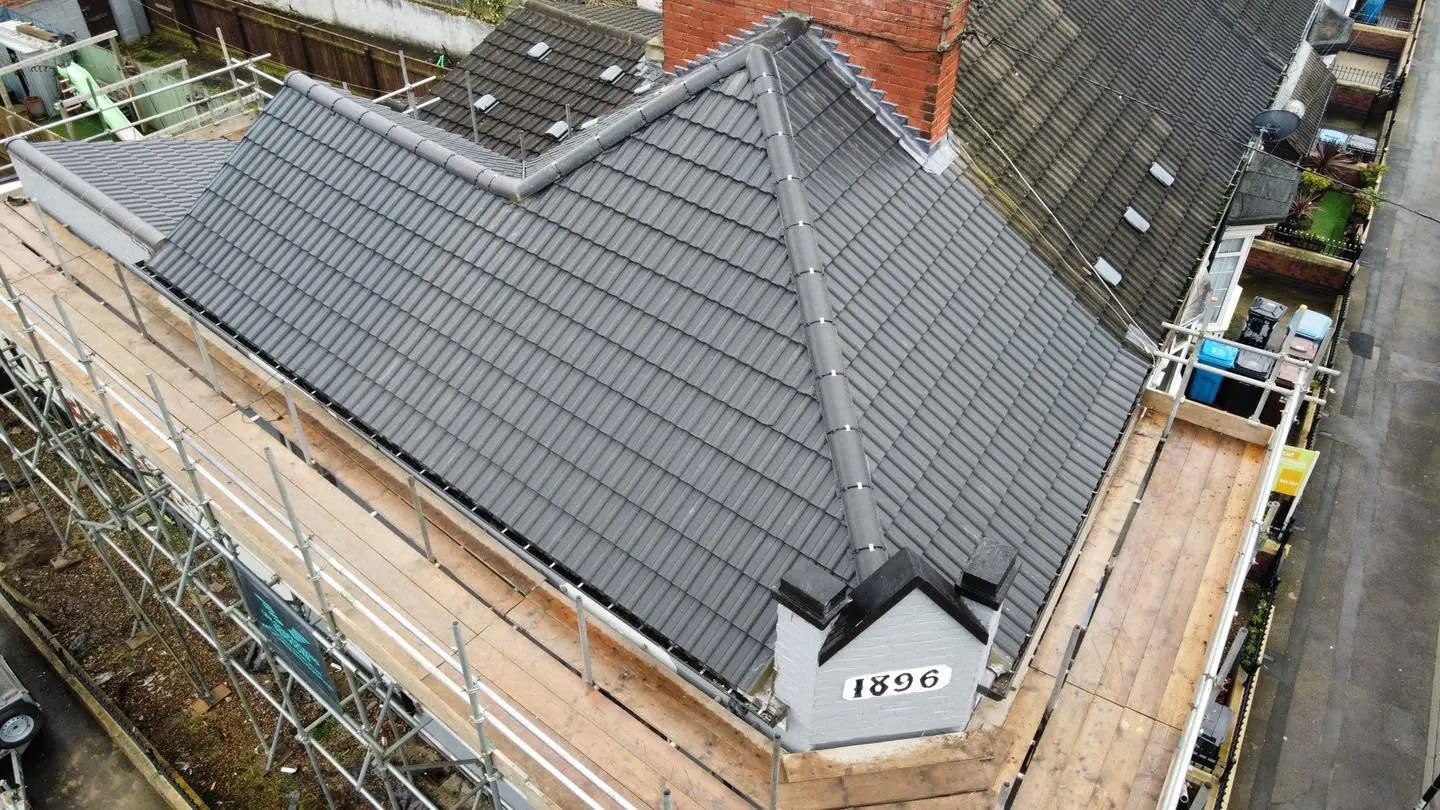
See your roof from above before you decide
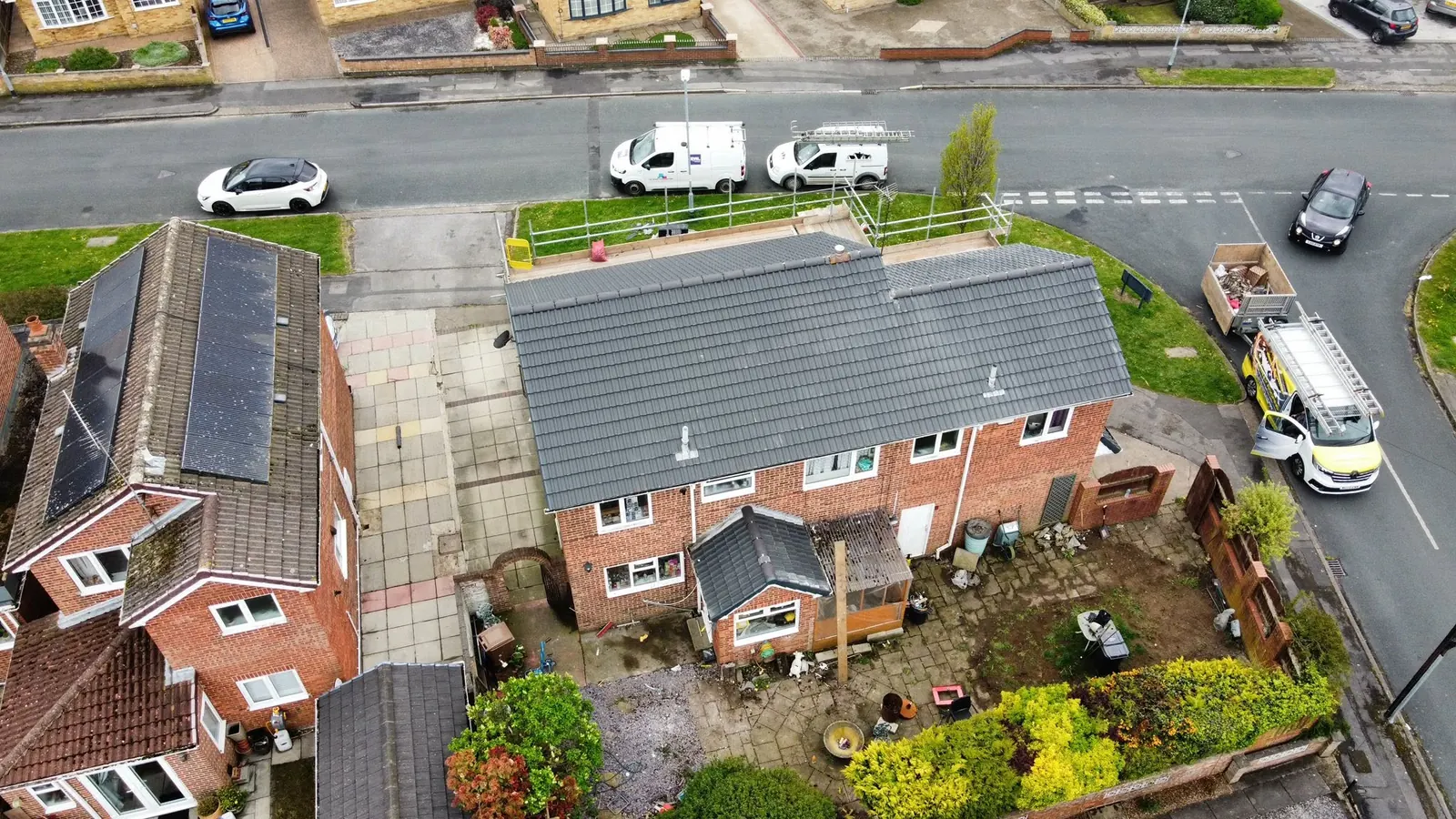
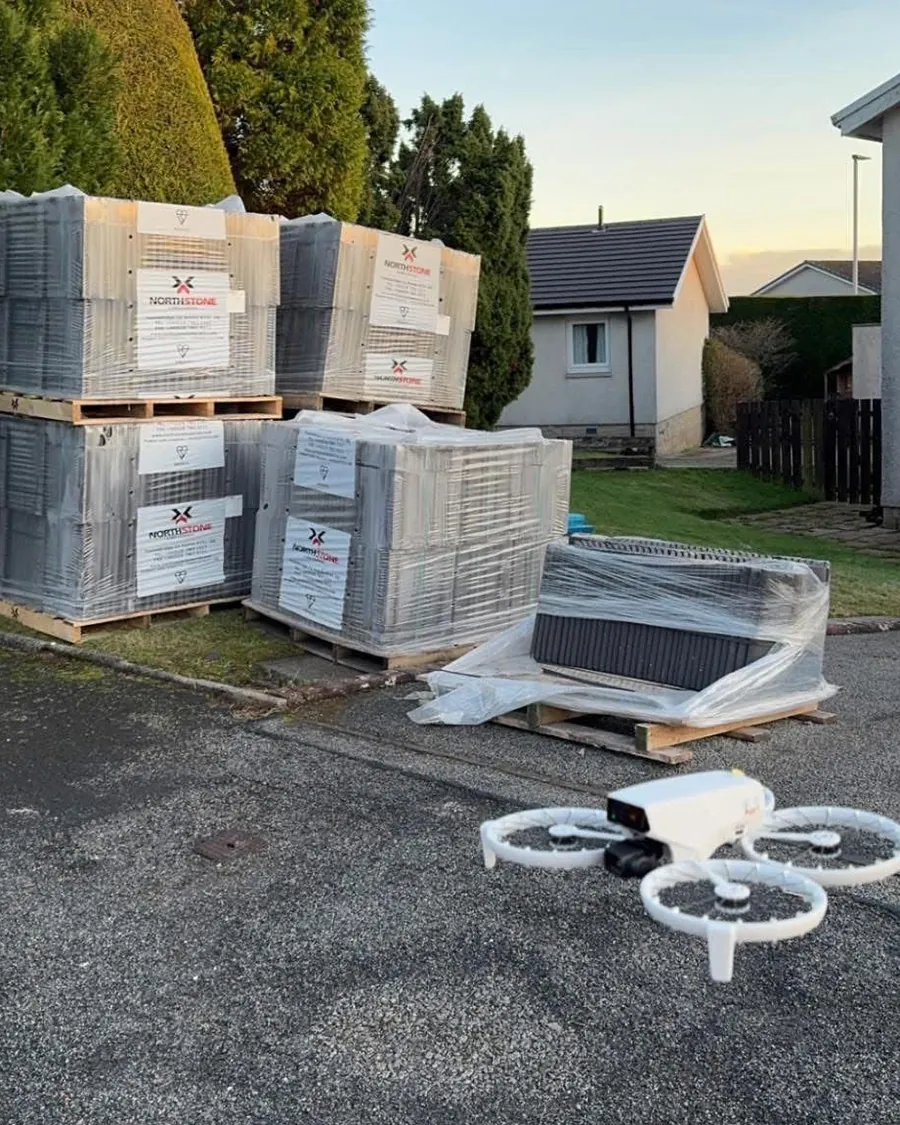
Most roof problems cannot be seen from the garden. Our drone survey gives you clear pictures of the tiles, ridge, valleys, chimney and guttering, so you can see the damage we are talking about and understand why the work is needed.
It is free and there is no obligation. If the roof is sound, we will tell you so. If it needs work, the images sit alongside your written quote, and they are useful if you are making an insurance claim for storm damage.
How your damp proofing job runs, step by step
Why choose Especially Roofing for damp proofing in Pocklington?
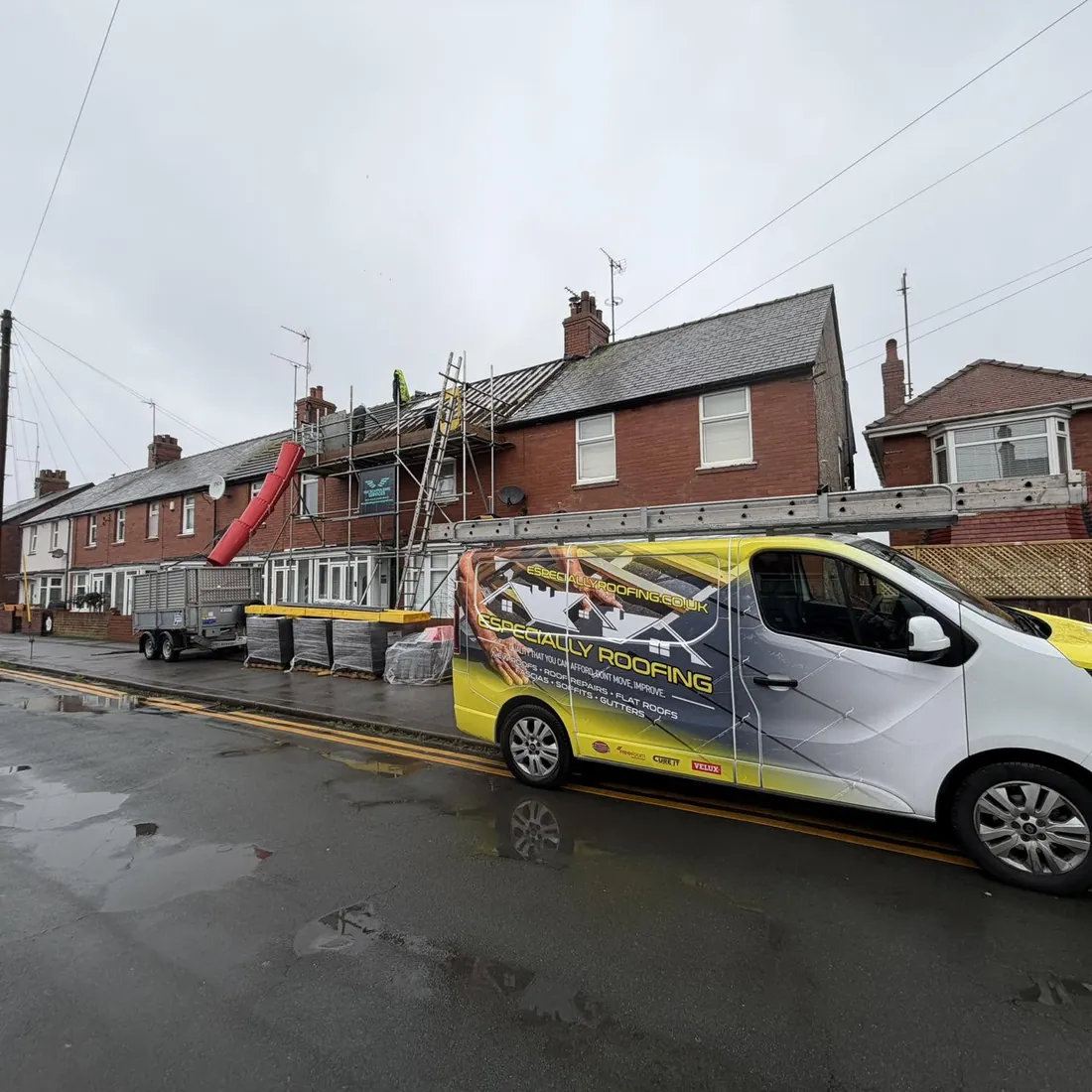
Family run, and still local
A family business on Yorkshire roofs since 1990, with more than 100 years of combined experience across the team you deal with.
What our customers say
Reviews from homeowners and businesses we have worked for around Hull.
Damp proofing in Pocklington: your questions
The damp on my chimney breast appears after heavy rain. What could it be?
Is it condensation or a leak?
What if the damp is near the floor of a downstairs room?
Should I replaster the damp patch now?
How much does damp proofing cost?
What is damp proofing?
How long does damp proofing last?
How does damp proofing work?
How long does damp proofing take?
Can’t find the answer you’re looking for?
Get in touch with the team today.
- Call us, 24 hours a day01759 359137
- Emailinfo@especiallyroofing.co.uk
- Find us66 Bond Street, Hull, HU1 3EN
Damp Proofing in other areas
- Damp Proofing in Beverley
- Damp Proofing in Hornsea
- Damp Proofing in Withernsea
- Damp Proofing in Market Weighton
- Damp Proofing in Goole
- Damp Proofing in Barton-upon-Humber
- Damp Proofing in Scunthorpe
- Damp Proofing in Grimsby
- Damp Proofing in Bridlington
- Damp Proofing in Driffield
- Damp Proofing in Cottingham
- Damp Proofing in Hessle
- Damp Proofing in Brough
- Damp Proofing in South Cave
- Damp Proofing in Snaith
- Damp Proofing in Aldbrough
- Damp Proofing in Patrington
- Damp Proofing in Sewerby
- Damp Proofing in Flamborough
- Damp Proofing in Hull